Foundation guide
Signs Your Home May Need Foundation Repair in San Antonio, TX
Learn which cracks, sticking doors, and uneven floors deserve attention and when to seek a foundation repair evaluation in San Antonio, TX.
A crack above a doorway or a bedroom door that suddenly sticks can make you wonder whether your house needs foundation repair. These changes deserve attention, but one symptom alone cannot tell you what caused it or which solution is appropriate.
For homeowners in San Antonio, TX, the useful first step is to document what changed, where it happened, and whether other problems appeared nearby. That information gives an evaluator more to work with than a photograph without context.
Before committing to foundation repair, look at the following signs and prepare a record of your concerns.
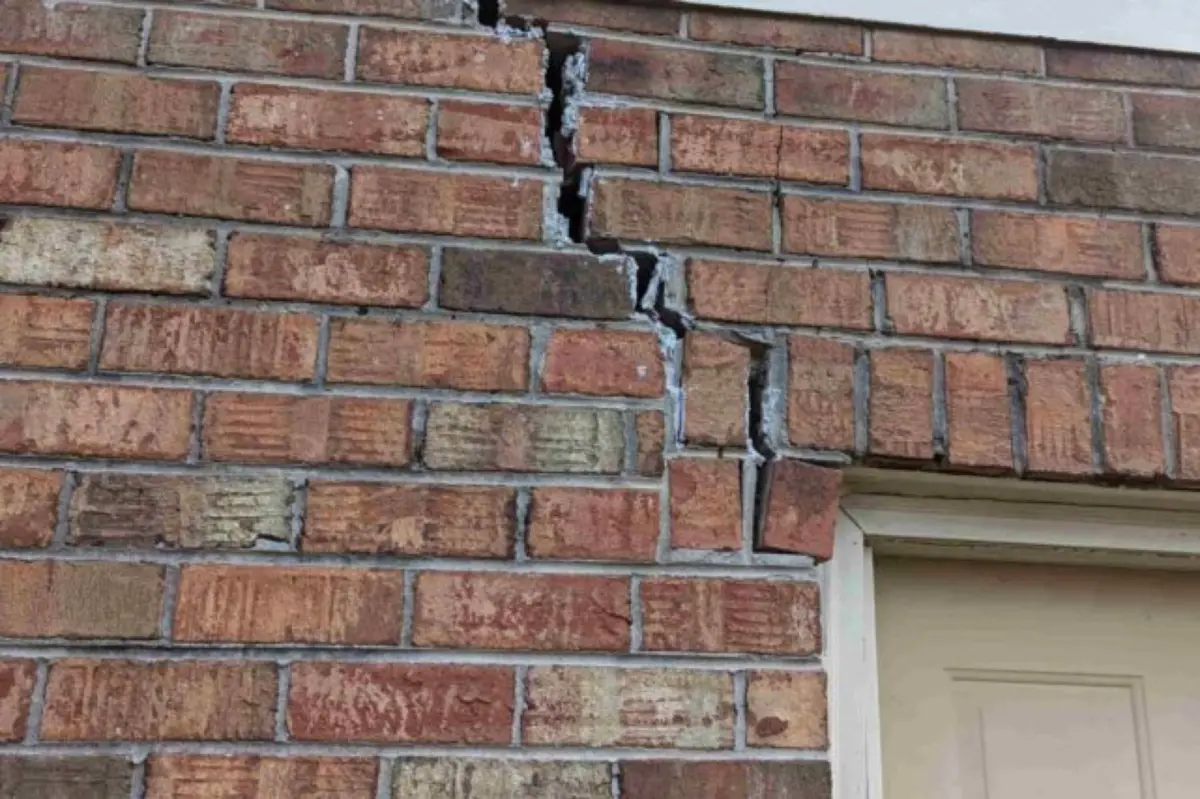
Cracks in walls, ceilings, and exterior brick
Cracks can look alarming, especially when they appear near a window or doorway. However, their appearance alone does not establish whether foundation repair is necessary.
The ASCE Texas Section’s residential foundation evaluation guidelines explain that most cracks in concrete structural members do not compromise structural integrity, although their physical characteristics still require consideration. This does not mean every crack is harmless. It means the conclusion needs more than a simple visual rule.
What to document indoors
Look at visible cracks around wall corners, ceilings, doors, and windows. Record:
- When you first noticed the crack.
- Whether it has lengthened, widened, or reopened after patching.
- Whether nearby doors or windows have also changed.
- Its location within the room.
Take a close-up photograph and a wider picture showing the surrounding area. Keep the originals with their dates.
What to document outside
From ground level, photograph cracks in exposed brickwork and visible gaps around openings. Identify the side of the house and note whether there are corresponding concerns indoors.
Do not assume that a stair-step crack proves settlement or requires a particular foundation repair method. A photograph records the symptom; it does not establish the diagnosis.
Doors and windows that begin sticking
A sticking door is worth investigating, but it is not automatically evidence of a foundation problem.
Describe the change precisely. Does the door rub along the top, drag across the floor, or stop lining up with its latch? Has the problem affected one opening or several?
For windows, record whether opening, closing, or locking has become difficult. Avoid forcing a jammed window.
Mention nearby cracks and gaps during the evaluation. Present these observations together without assuming they share a cause. Before recommending foundation repair, the evaluator should explain how the findings support that recommendation.
Uneven floors and visible gaps
A floor that feels sloped or a gap along a baseboard can leave you questioning what is happening beneath the surface. Note where the unevenness begins, which rooms it affects, and whether you remember it being present before.
A rolling marble or phone level cannot establish that your home needs foundation repair.
ASCE’s guidelines explain that foundations can have elevation differences from original construction. A single elevation survey records conditions at one moment, and floor elevations should not be the sole basis for evaluating foundation deflection and tilt.
Tell the evaluator whether your house has a slab foundation or an under-floor space, if you know. Share any information about additions or previous floor work. Do not enter a confined crawl space or disturb supports to investigate.
Look for patterns without diagnosing the problem
Organize what you notice before requesting a foundation repair evaluation. This checklist helps separate observations from conclusions.
| What you notice | What to record | What it cannot prove alone |
|---|---|---|
| Wall or ceiling crack | Location, photographs, and visible changes | That structural repairs are needed |
| Exterior brick crack | Affected wall and nearby openings | The cause or appropriate repair method |
| Sticking door or window | Where it catches and when it changed | That the foundation caused the problem |
| Uneven floor | Affected rooms and previous floor work | That the house needs lifting |
| Gap near trim or an opening | Location and changes over time | Whether movement is active |
This is not a scoring system. Three symptoms do not automatically mean a more serious problem than one. The purpose is to make the evaluation more informative.
Note what happened around the same time
When preparing for a foundation repair appointment in San Antonio, TX, include relevant property history. Write down known plumbing leaks, previous repairs, recent remodeling, and changes to irrigation.
Also record visible water collecting beside the house or a downspout discharging near an affected area. Note whether symptoms appeared during dry weather or after rainfall.
Keep the wording factual. “Water pooled beside the back wall” describes an observation. “Rain damaged the foundation” makes a conclusion that still needs evidence.
Our next guide, Foundation Movement After Dry Weather and Heavy Rain: What to Watch For, explains how to organize weather-related observations and why watering advice should depend on the property.
When to schedule an evaluation
Schedule an assessment when a concern is new, changing, affecting everyday use, or difficult to explain. You do not need to wait until several rooms show symptoms.
Before agreeing to foundation repair, ask:
- What findings support the recommendation?
- What remains uncertain?
- Is another assessment needed?
- What written findings or repair plan will I receive?
A contractor’s evaluation and an independent engineering assessment serve different purposes. Confirm what your appointment includes.
If there is sudden major movement, falling material, or an area that appears unsafe, stay clear and seek urgent professional assistance.
Frequently asked questions
Can a newly built home need foundation repair?
A newer home is not automatically free of foundation concerns. Its age alone cannot establish whether a symptom is harmless. Document the issue, notify the builder through the applicable reporting process, and keep correspondence and inspection records. Avoid assuming that being new either rules out a problem or proves defective construction.
Does previous foundation repair mean new cracks are harmless?
No. Previous work does not explain a new symptom by itself. Locate the repair diagram, completion records, and warranty, then share them with the evaluator. New cracking does not automatically prove the earlier work failed, and a past repair should not be treated as confirmation that every area of the house is protected.
Can remodeling hide signs of foundation movement?
Finishes can limit what is visible. Flooring may cover the slab, while paint or patched drywall can obscure earlier surface damage. This does not prove anyone concealed a problem. Share available renovation records and earlier photographs, and ask the evaluator to explain what can and cannot be assessed without opening finishes.
My neighbor needed foundation repair. Will my house need it too?
Not necessarily. A neighboring project does not establish the condition of your home. Your property needs its own evaluation, based on its symptoms and history. Do not copy a neighbor’s repair plan or assume their project price applies to your house.
Get answers about your home’s condition
We Level Homes Foundation Repair offers free foundation inspections and in-home estimates for residential properties in its San Antonio, TX service area. Bring your photographs, previous repair records, and questions so the evaluation can focus on your home’s specific concerns.