Slab, pier and beam, and manufactured homes
House Leveling in San Antonio, TX
Sloping floors, sticking doors and cracked sheetrock usually mean part of the house has dropped. We set piers under the low spots, press them to bedrock, and lift the house back toward level.
- Lifetime
- warranty on steel piers
- 25 years
- warranty on concrete piers
- 10,000 psi
- every pier, pressed to bedrock
What it is
What House Leveling Does
House leveling lifts the parts of a house that settled and holds them there. We measure the floors to find the low spots, put piers under them, and raise the house onto the piers.
Leveling and foundation repair are the same job seen from two sides. The piers fix the foundation; the lift is what you feel inside when the doors close right again.
- Homes
- Slab, pier and beam, and manufactured homes. Residential only.
- How
- Steel or concrete piers pressed to 10,000 psi, all the way to bedrock
- Engineer
- Every repair is certified by a licensed structural engineer
- Warranty
- Lifetime on steel piers. 25 years on concrete piers.
- Estimate
- Free and in your home, Monday to Saturday, 8 AM to 7 PM
What to look for
Signs Your House Needs Leveling
Most people call us because something inside the house stopped working right.
-
Floors that slope or dip
A marble rolls to one side of the room, or you feel the floor drop as you walk across it.
-
Doors that stick or swing
Doors rub at the top corner, won’t latch, or drift open by themselves.
-
Cracked sheetrock
Diagonal cracks running up from the corners of doors and windows.
-
Gaps at trim and ceilings
Baseboards and crown molding pulling away from the wall.
-
Cabinets and counters out of line
Gaps open between the countertop and the wall, or cabinet doors won’t stay shut.
-
Cracked tile
Floor tile cracking in a line across a room.
-
Brick separating outside
Stair-step cracks in brick, or brick pulling away at a corner or window.
-
Not sure if it’s level? We’ll measure it for free.
Free Inspection
Why it happens
Why Houses Go Out of Level in San Antonio
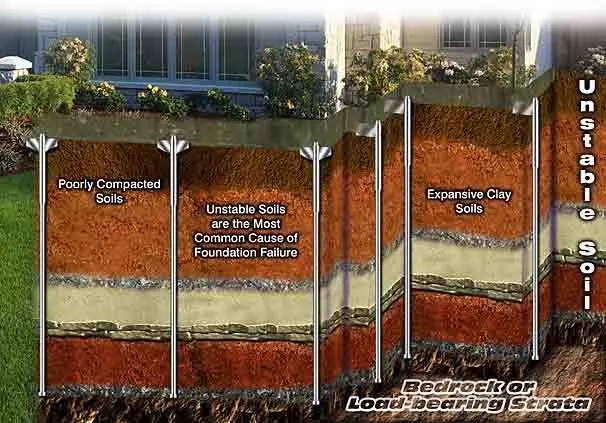
A house goes out of level when the ground under part of it moves and the rest stays put.
-
Drought shrinks the clay
Much of the San Antonio area sits on expansive clay. In a dry spell it shrinks and pulls away, and that part of the house settles.
-
Heavy rain swells it again
When the rain comes back, the same clay swells and pushes up, so the house moves season after season.
-
Plumbing leaks
A leak under the house softens the soil in one spot, and that spot sinks faster than the rest.
-
Big trees close to the house
Large trees pull water out of the soil on one side and dry the clay out.
-
Old posts under raised homes
On pier and beam homes, rotted or sunken wood posts let the beams sag.
North of Loop 410, limestone often sits close to the surface. South and east of the city, the clay usually runs deeper, so piers have farther to go to reach bedrock.
How we level
How We Level Every Kind of Home
The lift works the same way on every house: solid piers first, then the house comes up onto them. What sits under the house changes the details.
-
Slab Foundation Repair
Piers pressed under the slab from outside and through the floor, then the openings patched. -
Pier and Beam Foundation Repair
Rotten wood posts out, poured concrete piers in, and the beams shimmed back to level. -
Manufactured Home Foundation Repair
Re-leveling and new piers for manufactured homes, which many companies won’t touch. -
Foundation Leveling
Measuring the foundation and bringing the low spots back up to the rest of the house. -
Steel Piers
Steel sections pressed to 10,000 psi, all the way to bedrock, interlocked into one solid pier. Lifetime warranty. -
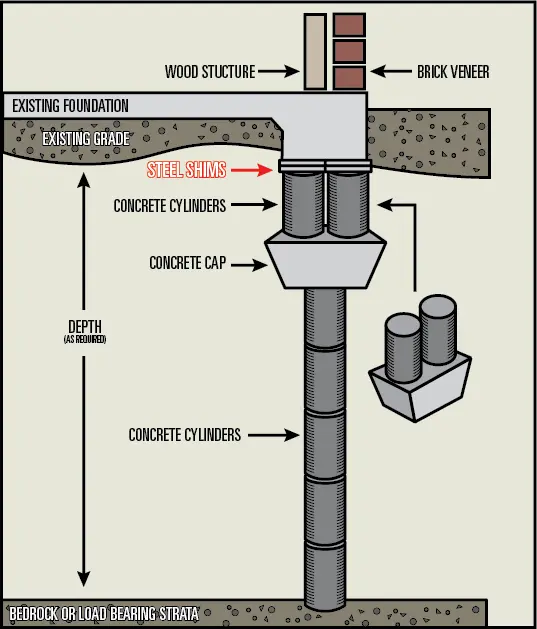
Concrete Piers
Reinforced concrete cylinders stacked in sections and pressed to 10,000 psi. 25-year warranty.
Slab or raised
Leveling a Slab Home vs. a Raised Home
The goal is the same on every house: solid support first, then a lift back toward level. How we get there depends on what the house sits on.
| Feature | Slab homes | Pier and beam and manufactured homes |
|---|---|---|
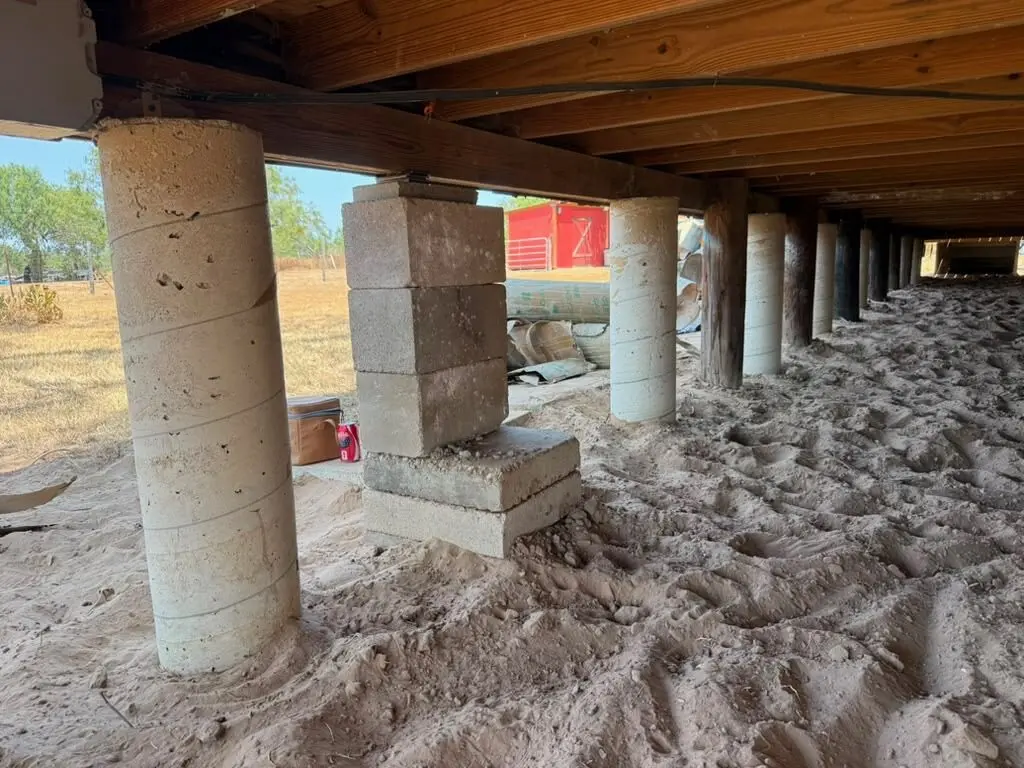
| What holds it up | A concrete slab poured on the ground | Beams or a frame resting on piers or posts, over a crawl space |
| What usually goes wrong | Clay under one side shrinks or softens and the slab drops | Old posts rot, sink or shift, and the floors sag |
| How we fix it | Steel or concrete piers pressed to 10,000 psi, all the way to bedrock | Old posts replaced with concrete piers, then the home is brought back toward level |
| Where we work | From the slab edge, and through the floor when needed | Under the house |
| Engineer | Certified by a licensed structural engineer | Certified by a licensed structural engineer |
How a job works
How a House Leveling Job Goes
-
We measure the floors
Matt takes level readings across the house so you can see where it sits high and where it sits low.
-
A plan you understand
You see where the piers go and why, with an exact written price.
-
Engineer and permits
A licensed structural engineer certifies the repair, and we pull city permits when they are required.
-
Piers go in
Steel or concrete piers are pressed to 10,000 psi, down to bedrock, under the low parts of the house.
-
The house is lifted
The house is raised back toward level onto the new piers. Doors and windows often start working again that day.
-
Patch and warranty
Holes are filled, openings are patched, and you get your written pier warranty.
What you can count on
Why Homeowners Choose We Level Homes
-
Engineer certified
Every repair is certified by a licensed structural engineer.
-
Permits pulled
We pull city permits when they are required, so the paperwork is done right.
-
Piers to bedrock
Piers go all the way to bedrock. Steel and concrete piers are driven to 10,000 psi.
-
Pier warranties
Lifetime warranty on steel piers and a 25-year warranty on concrete piers.
-
Manufactured homes
We work on manufactured homes, which many companies won’t.
-
Owners on every job
Matt and Rosie are on site for every job, from the first visit to the last pier.
From our job sites
House Leveling Jobs Around San Antonio
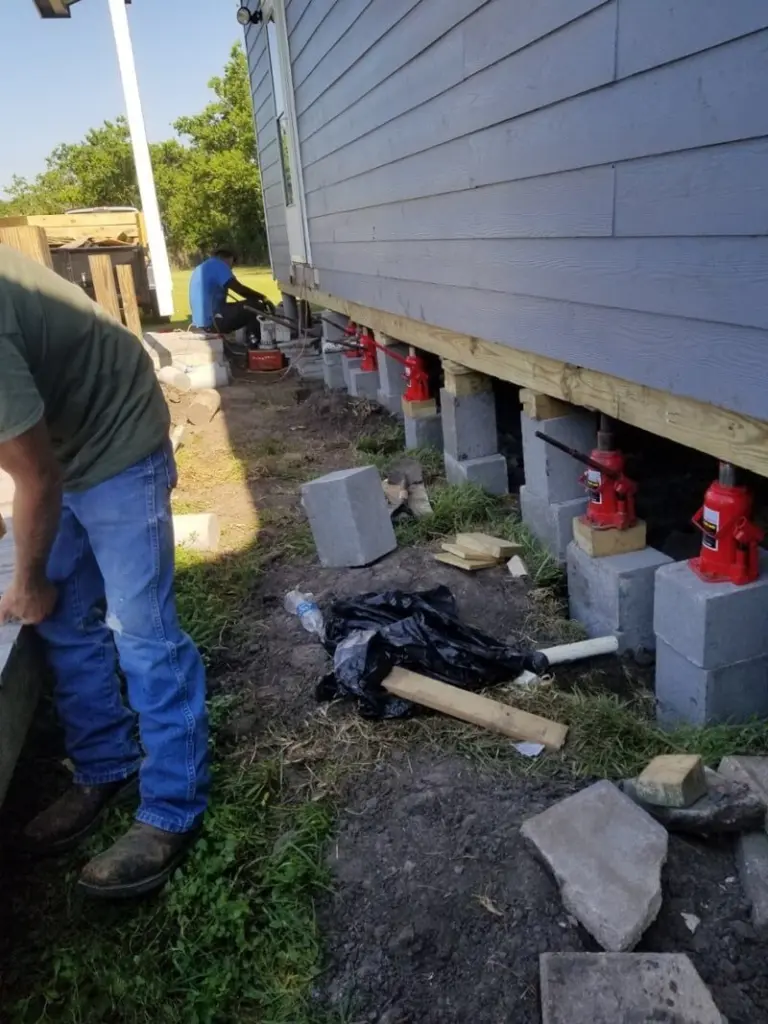
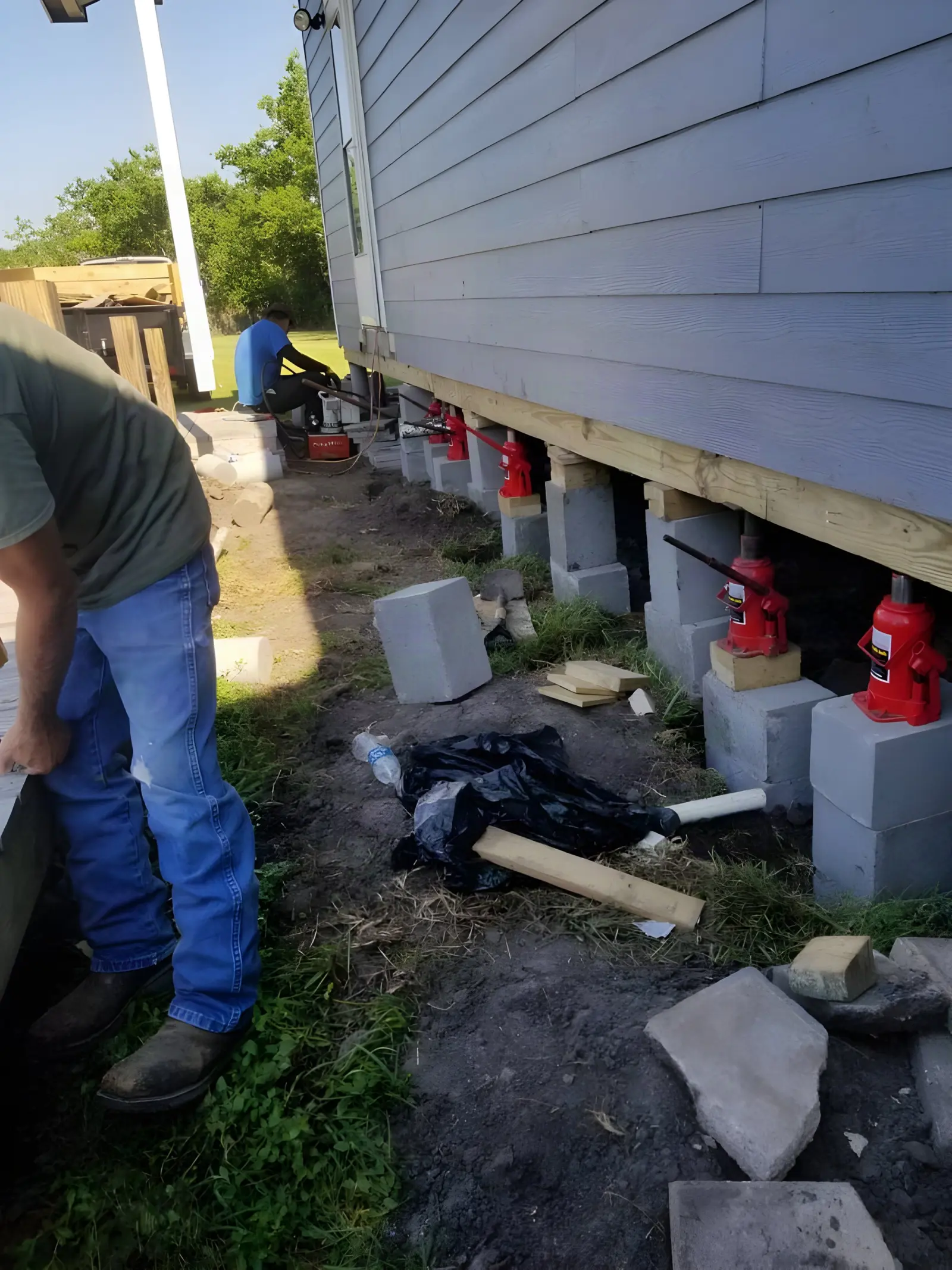
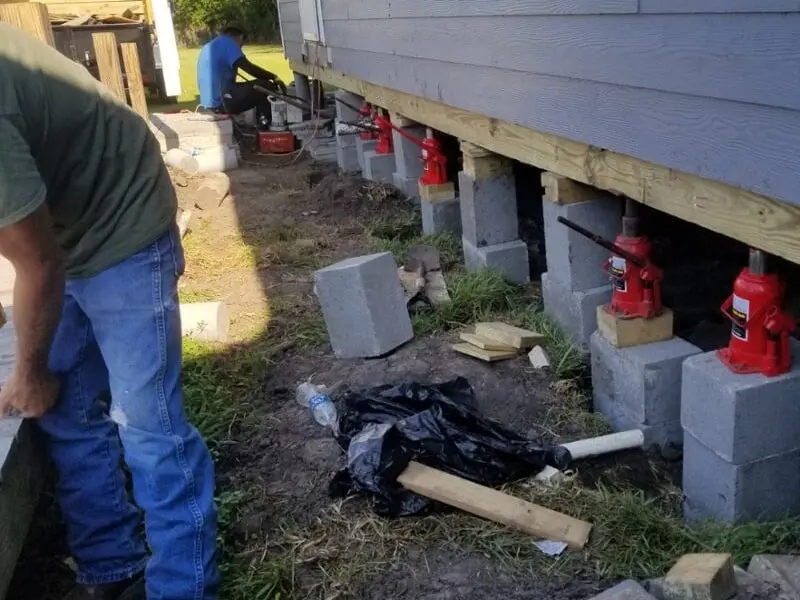
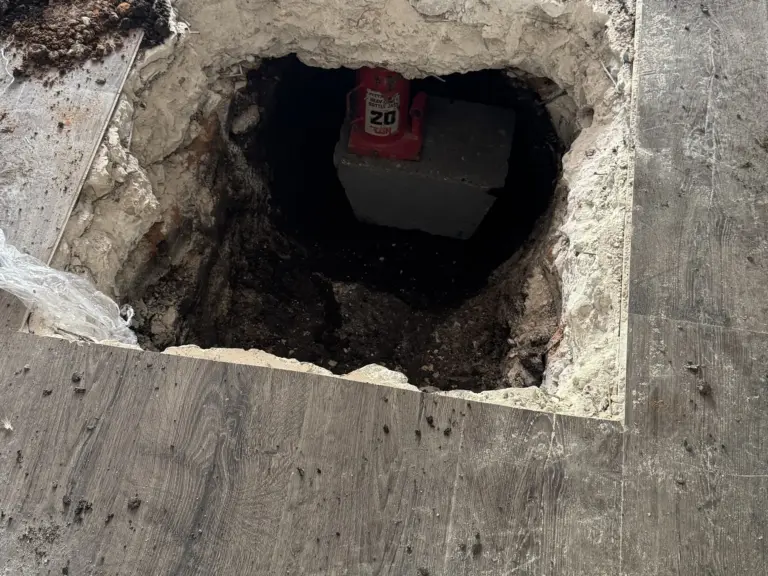
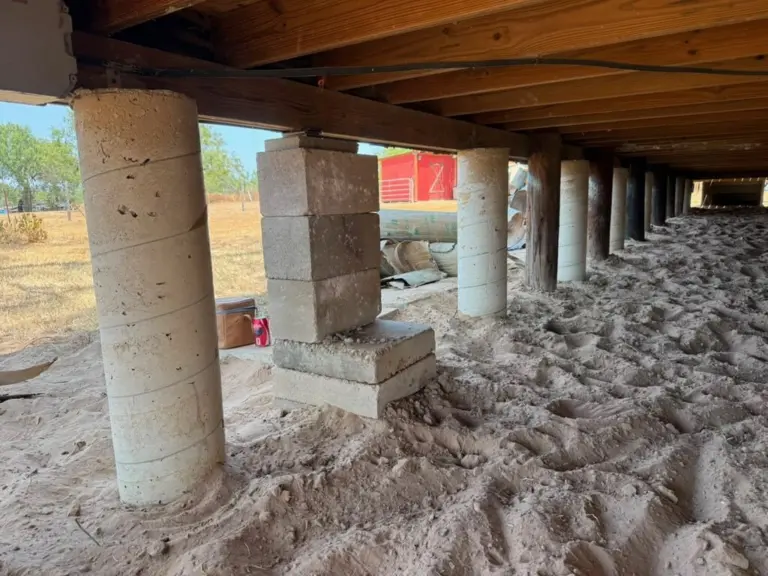
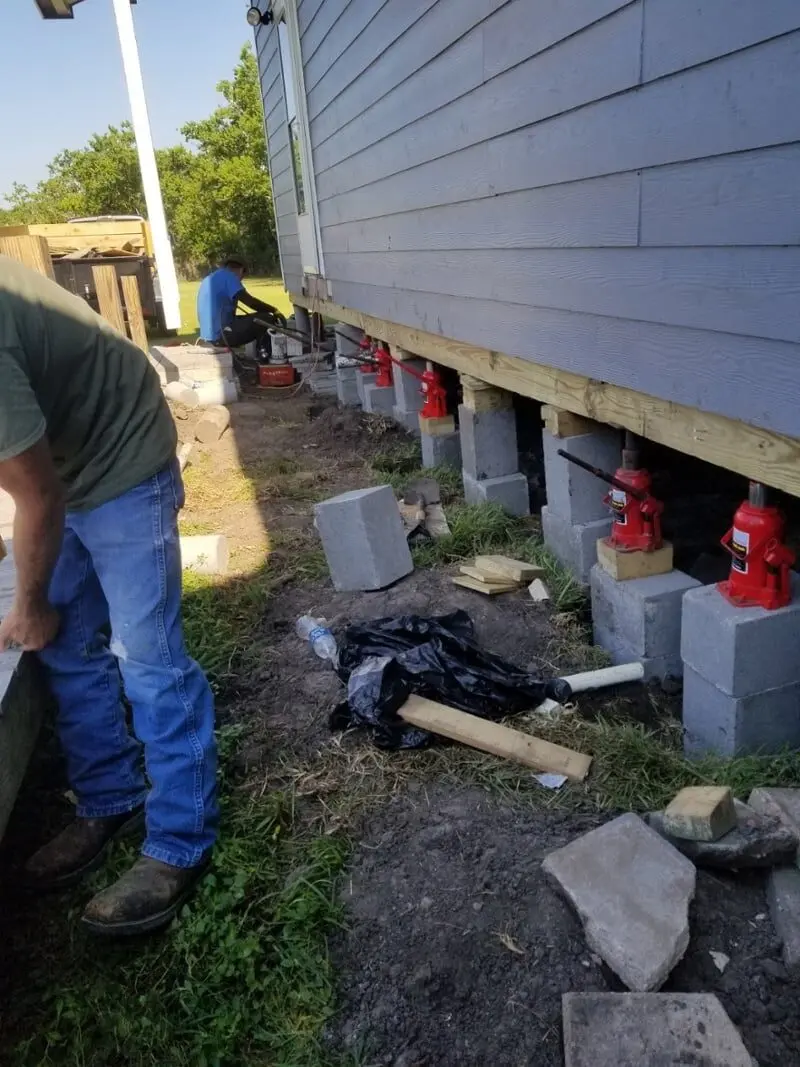
Bottle jacks and blocks set to lift a home back to level. The jack on a new pier, ready to lift. 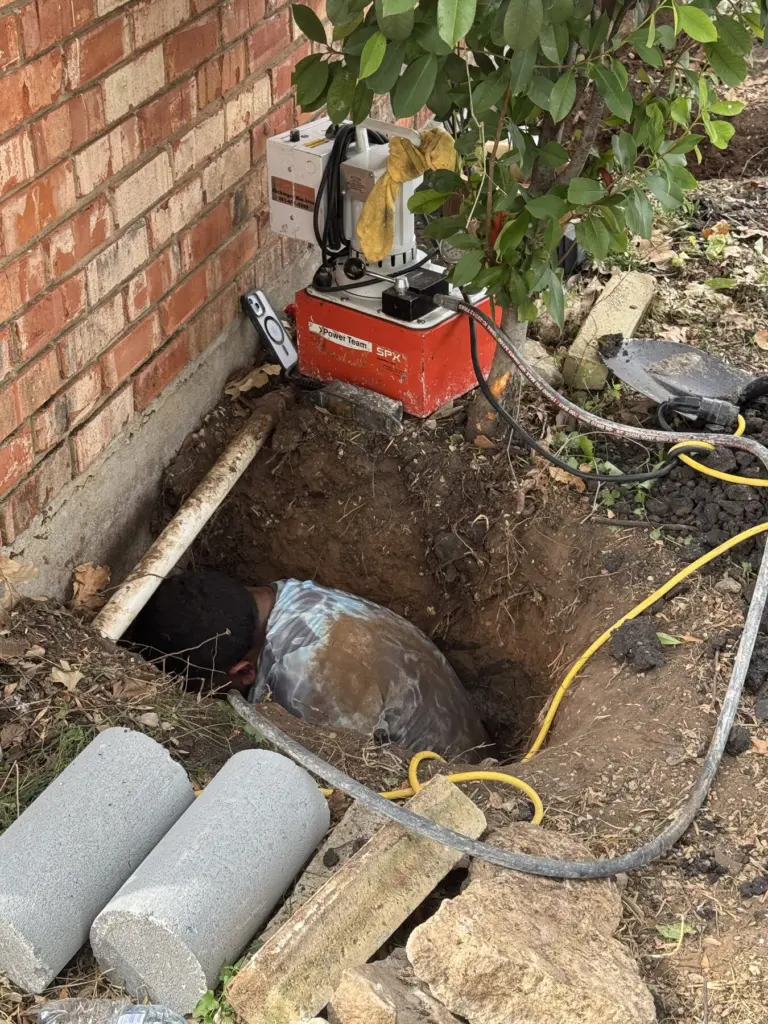
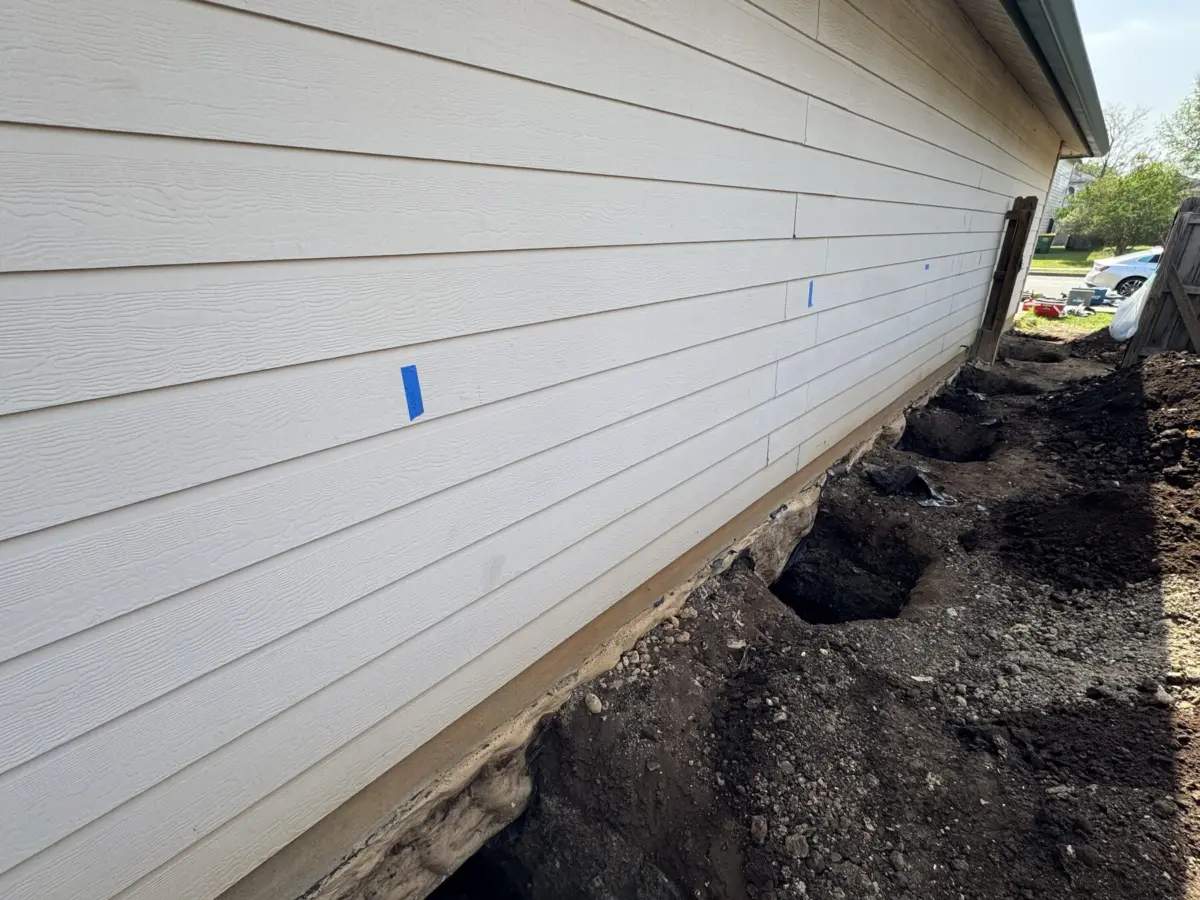
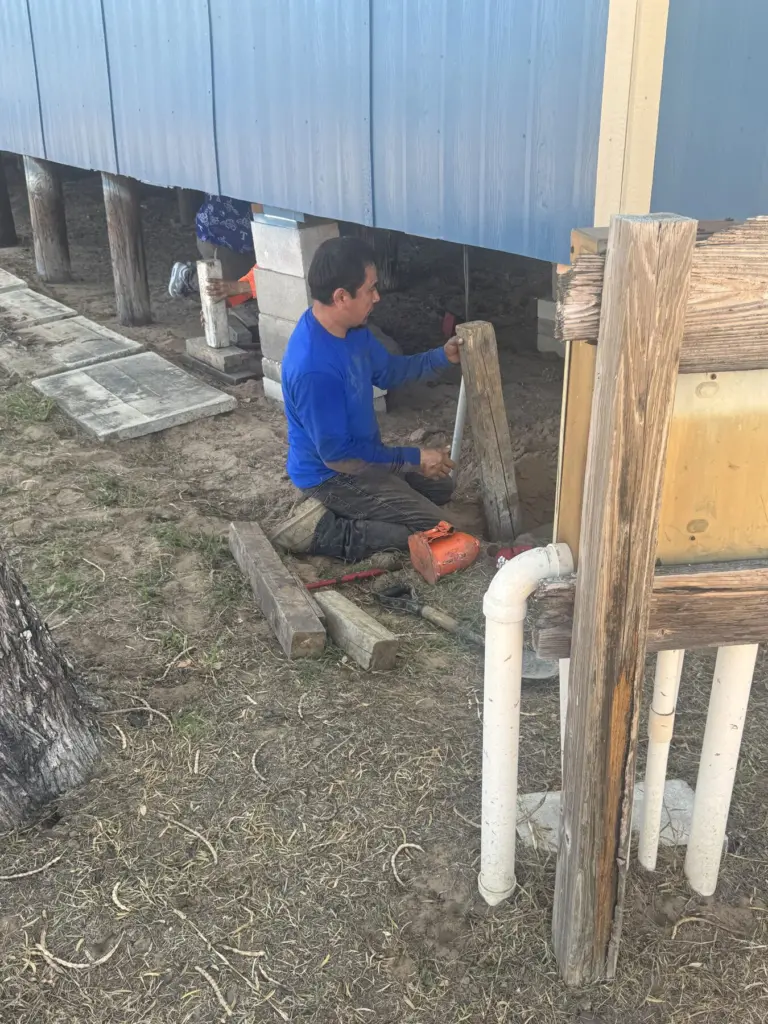
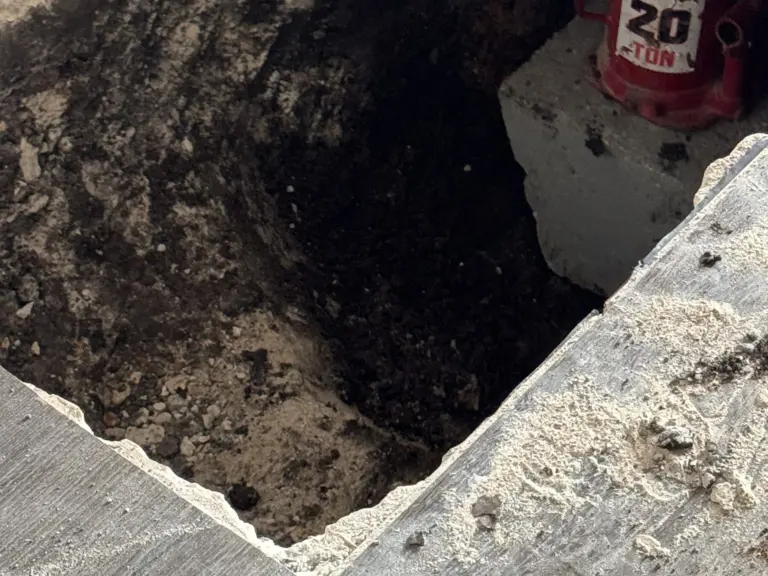
Hydraulic pump at a pier hole beside a brick home. 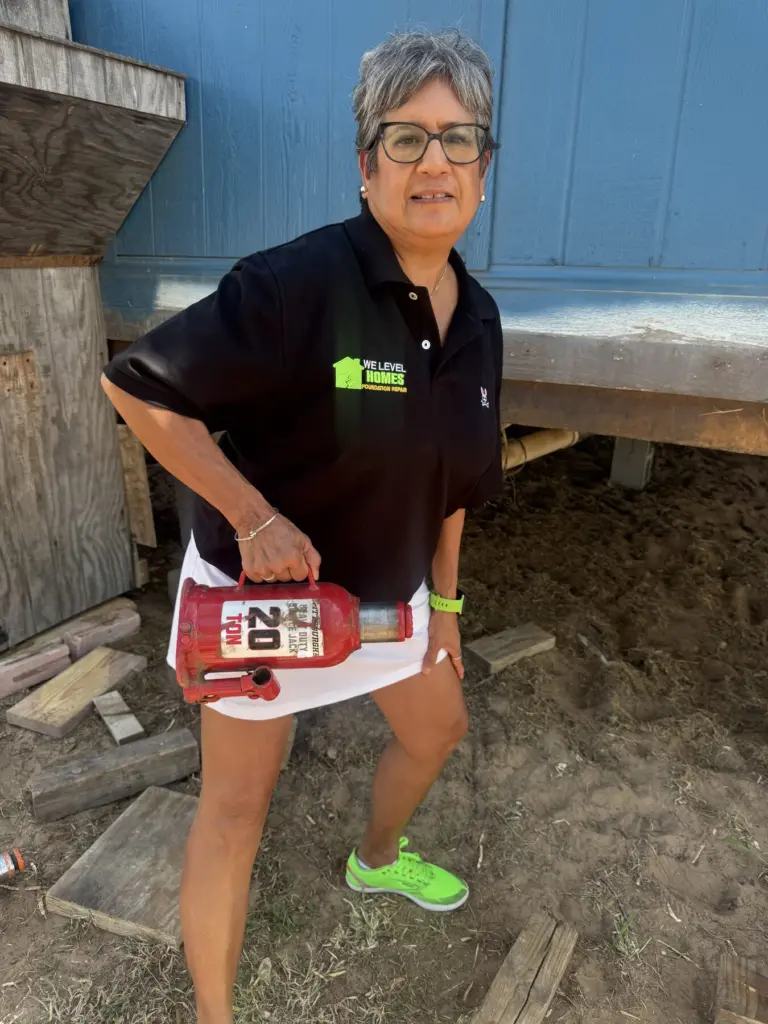
On site with the hydraulic jack.
What Does House Leveling Cost?
It depends on how many piers the house needs, steel or concrete, and how easy it is to reach the low spots. Nobody can see that over the phone, so we come out and give you an exact written price for free.
Free In-Home EstimateLevel Means Stable, Not Perfect
Older houses were rarely perfectly level, even when they were new. The goal is a house that sits solid on piers and works the way it should, with doors that close and floors you don’t feel sloping.
Free Foundation InspectionFAQ
House Leveling Questions
Still have a question?
Call or text and you will talk to an owner, not a call center.
(210) 934-6066What is the difference between house leveling and foundation repair?
They are the same job. The piers repair the foundation, and lifting the house onto them is the leveling part.
Do you level pier and beam and manufactured homes?
Yes. We level slab, pier and beam, and manufactured homes. Many companies won’t work on manufactured homes, but we do.
How deep do the piers go?
All the way to bedrock. Steel and concrete piers are both pressed hydraulically to 10,000 psi.
How much does it cost to level a house?
It depends on the number of piers, the type, and access. Our free in-home estimate gives you an exact written price.
Is the work engineer certified?
Yes. Every repair is certified by a licensed structural engineer, and we pull city permits when they are required.
What warranty comes with house leveling?
The piers carry the warranty: lifetime on steel piers and 25 years on concrete piers.
How do I know if my house is out of level?
Sloping floors, sticking doors and cracked sheetrock are the usual signs. Our free inspection measures floor levels across the house so you know for sure.
Where we work
House Leveling in San Antonio and the Surrounding Areas
We work across San Antonio and the towns around it. Pick your area to see the foundation problems we run into there.
Main city
North
East and Northeast
South and Southeast
West and Northwest
Know someone who needs us?
Refer a friend or family member. When it becomes a job, we pay you $200.
Guides and answers
House Leveling Guides and Answers
Straight answers to the questions homeowners ask us most, written by Matt.
Guides
- Uneven, Sloping, and Sinking Floors: Causes and Fixes in San Antonio Homes
- How We Measure Level: Floor Elevation Surveys Explained
- “Level” vs. “Stable”: What a Good Leveling Job Actually Promises
- Leveling an Older San Antonio Home Without Wrecking It
- What Happens Inside the House When It’s Lifted
- Partial Leveling vs. Whole-House Leveling
- Trees, Roots, and Your Foundation in South Texas
Quick answers
- How Much Does House Leveling Cost in San Antonio?
- Can a House Be Leveled Without Piers?
- Will My Doors Work Again After Leveling?
- Will Cracks Close After Leveling?
- How Level Should a House Be?
- Can a House Settle Again After Leveling?
- Should I Level Before I Sell?
- Do I Need to Move Furniture for House Leveling?
- Why Is One Side of My House Sinking?

Ready for a Straight Answer About Your Foundation?
Call or text Matt and Rosie, book a free foundation inspection, or ask for a free in-home estimate. We serve San Antonio and the surrounding areas.
Free in-home estimates Monday through Saturday, as early as 8 AM and as late as 7 PM.