Serving every side of San Antonio
Foundation Repair Company in San Antonio, TX
San Antonio is our home city. Rocky hillside lots up north, deep clay on the east and south sides, and old pier and beam houses in the center of town each fail in their own way. We know what to look for in each one, and both owners are on every job.
- Lifetime
- warranty on steel piers
- 25 years
- warranty on concrete piers
- 10,000 psi
- every pier, pressed to bedrock
Foundation repair in San Antonio
Why San Antonio Foundations Move
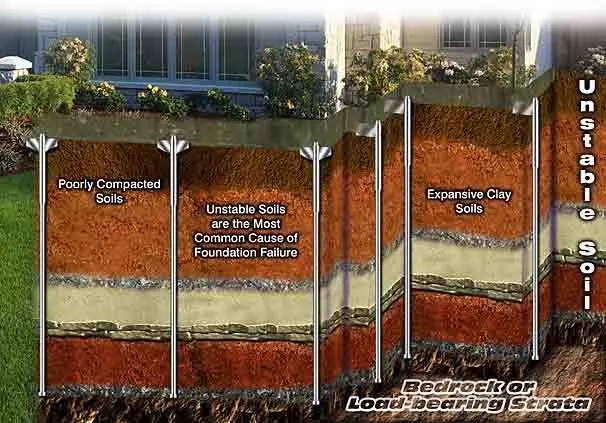
Most foundation problems in San Antonio come from the ground, not the concrete. Much of the city sits on expansive clay that shrinks in the summer and swells when the rain comes back. A house sitting on that clay rides up and down with it, and over the years one part settles lower than the rest.
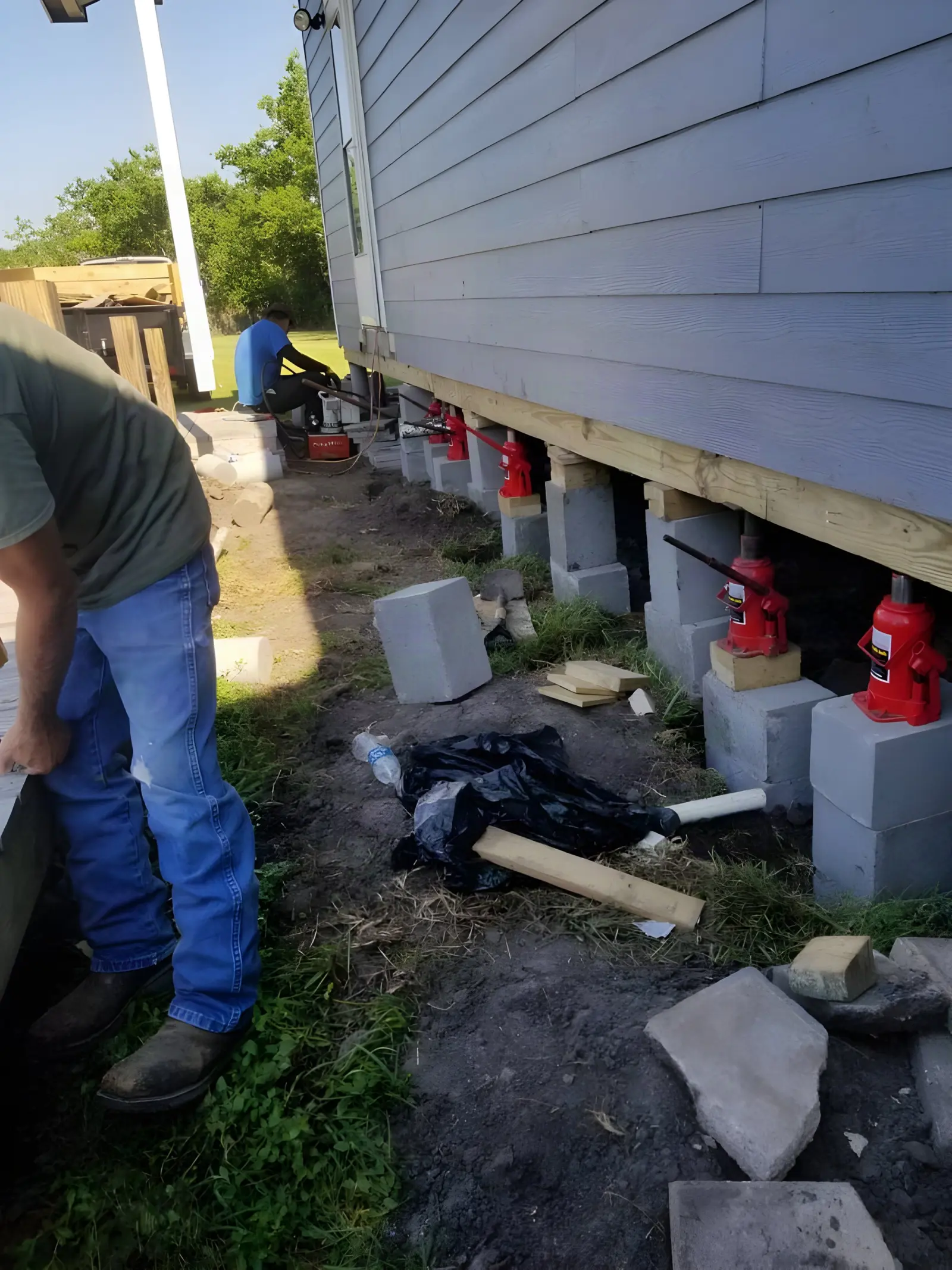
We fix it by setting piers under the parts that dropped, pressing them down to bedrock, and lifting the house back toward level. Every repair is certified by a licensed structural engineer, and we pull city permits when they are required.
- Homes
- Slab, pier and beam, and manufactured homes. Residential only.
- Ground
- Expansive clay over most of the city, shallow limestone in the north
- Piers
- Steel and concrete, pressed to 10,000 psi, all the way to bedrock
- Warranty
- Lifetime on steel piers. 25 years on concrete piers.
- Estimate
- Free and in your home, Monday to Saturday, 8 AM to 7 PM
What San Antonio homeowners notice
Signs of Foundation Trouble in San Antonio Homes
These are the things that make people call us, usually after a long dry summer or a wet spring.
-
Doors that stick after a dry summer
When the clay shrinks, the house settles and door frames rack out of square. Some doors loosen up again after it rains.
-
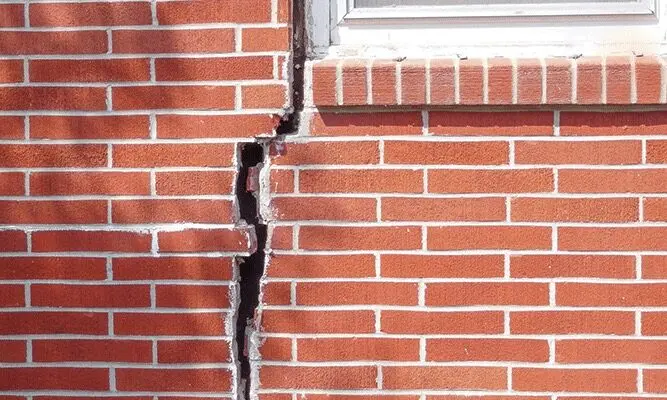
Stair-step cracks in brick
Brick can’t bend, so it cracks along the mortar lines when one corner of the house drops.
-
Floors that slope toward one side
Common in older pier and beam homes, where wood posts have rotted or sunk into the clay.
-
Cracks at the corners of doors and windows
Diagonal cracks in sheetrock that come back after you patch them mean the house is still moving.
-
Gaps between the wall and the floor or ceiling
Trim and baseboards pull away when one part of the slab moves and the rest doesn’t.
-
A plumbing leak under the slab
A leak softens the clay in one spot, and that part of the house can drop fast.
-
Cracks you can fit a coin in
Thin hairline cracks are normal. Wide ones, or a crack that is higher on one side, need a look.
-
Seeing one of these? We’ll measure it for free.
Free Inspection
The ground under San Antonio
What Moves Foundations Here
San Antonio sits where the Hill Country meets the flat land to the south and east. That line runs right through the city, so the ground can change from one neighborhood to the next.
-
Long, hot summers
The summers of 2022 and 2023 were among the hottest and driest on record here. Dry clay shrinks and pulls away from the slab, and the house settles into the gap.
-
Heavy rain after a dry spell
When the rain comes back, the clay swells and pushes up. That up-and-down cycle, year after year, is what wears a foundation out.
-
Uneven watering
One side of the house gets sprinklers or a flower bed and the other side gets afternoon sun. The clay ends up wetter on one side, and the slab follows it.
-
Big live oaks near the house
Mature trees pull a lot of water out of the clay, drying out the soil under the side of the house closest to them.
-
Older plumbing
Many homes built before the 1980s still have cast iron drain lines under the slab. When they crack and leak, the soil under that spot turns soft.
North of Loop 1604, limestone is often only a few feet down. On the east and south sides, the clay can run much deeper. That changes how deep the piers go, so we measure every house before we give you a price.
What we do in San Antonio
Foundation Repair Services in San Antonio
Matt measures the house first, then explains which repair it needs and why. These are the services we offer across the city.
-
Steel Piers
Steel sections pressed to 10,000 psi, all the way to bedrock, interlocked into one solid pier. Lifetime warranty. -
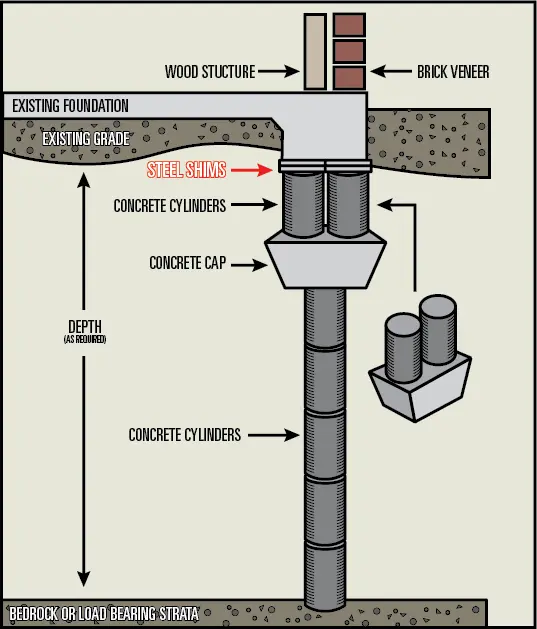
Concrete Piers
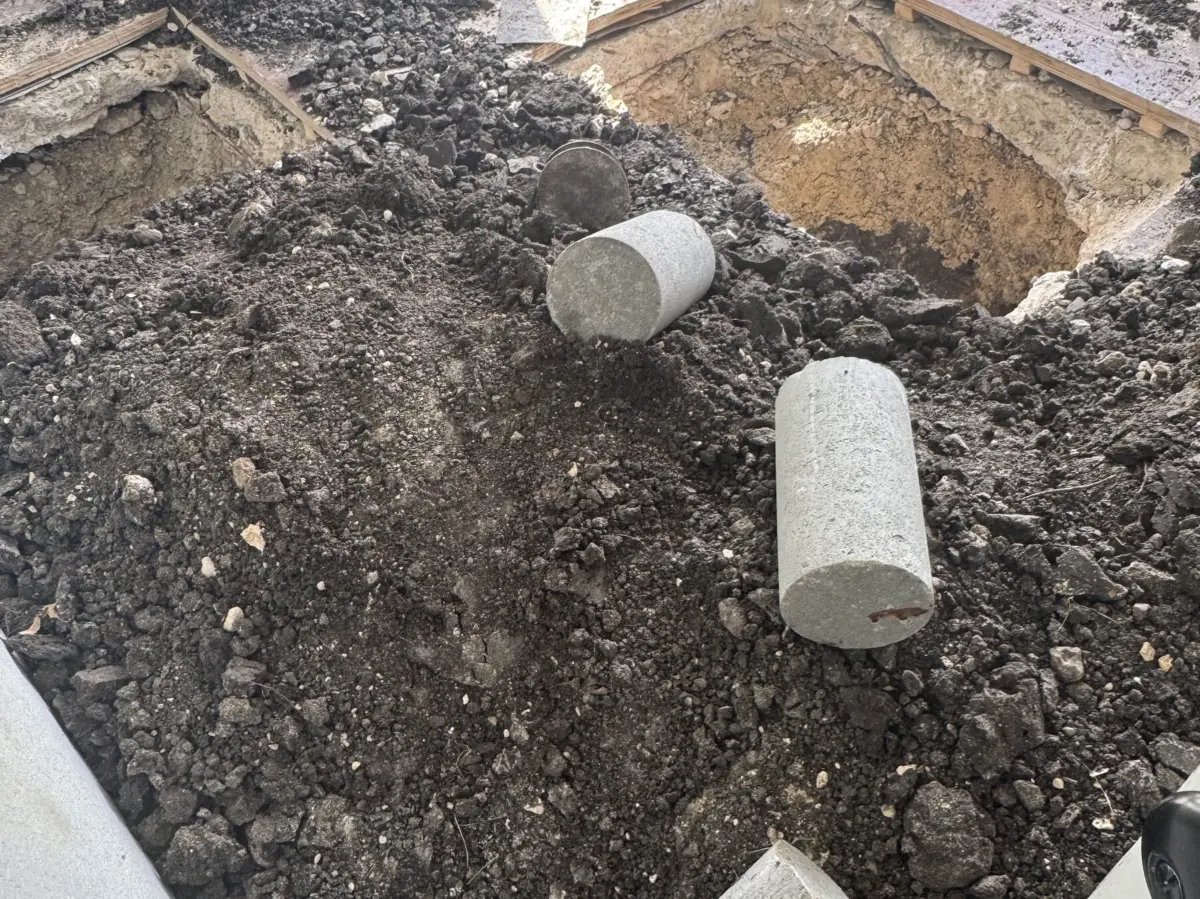
Reinforced concrete cylinders stacked in sections and pressed to 10,000 psi. 25-year warranty. -
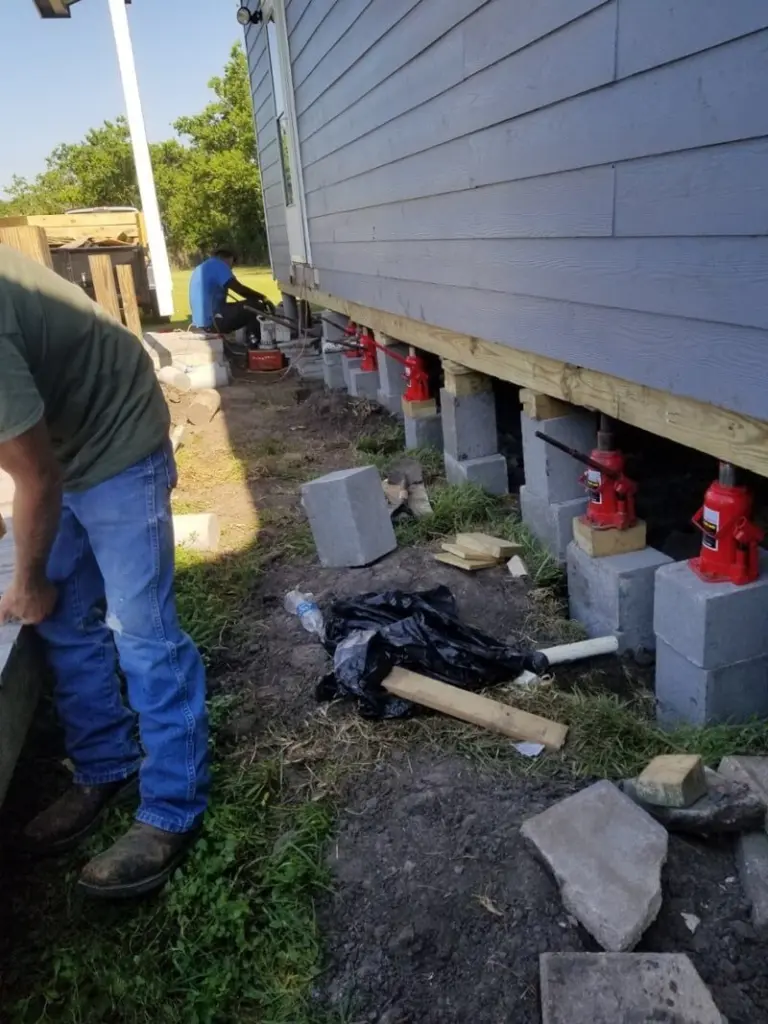
House Leveling
Lifting the house back toward level once it has solid piers under it. -
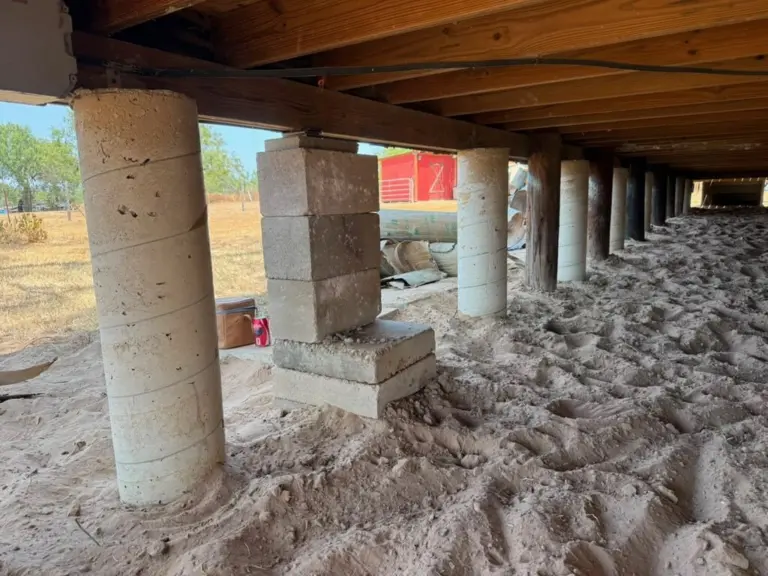
Pier and Beam Foundation Repair
Rotten wood posts out, poured concrete piers in, and the beams shimmed back to level. -
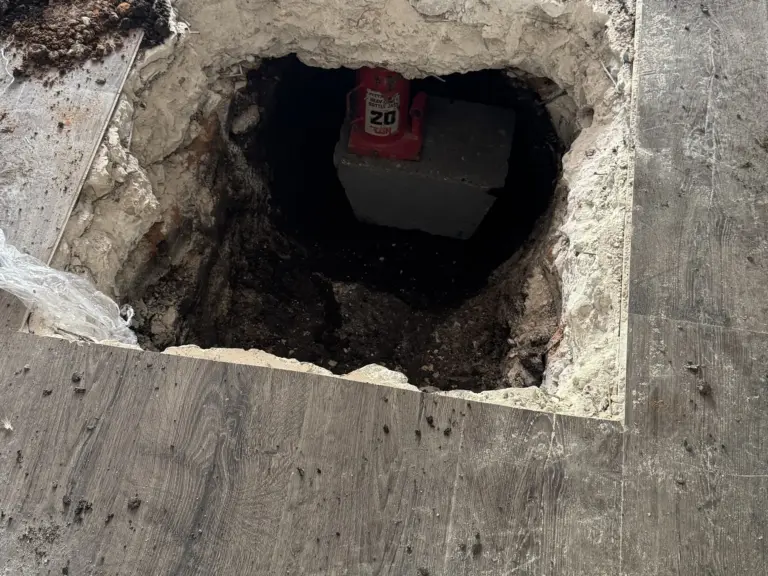
Slab Foundation Repair
Piers pressed under the slab from outside and through the floor, then the openings patched. -
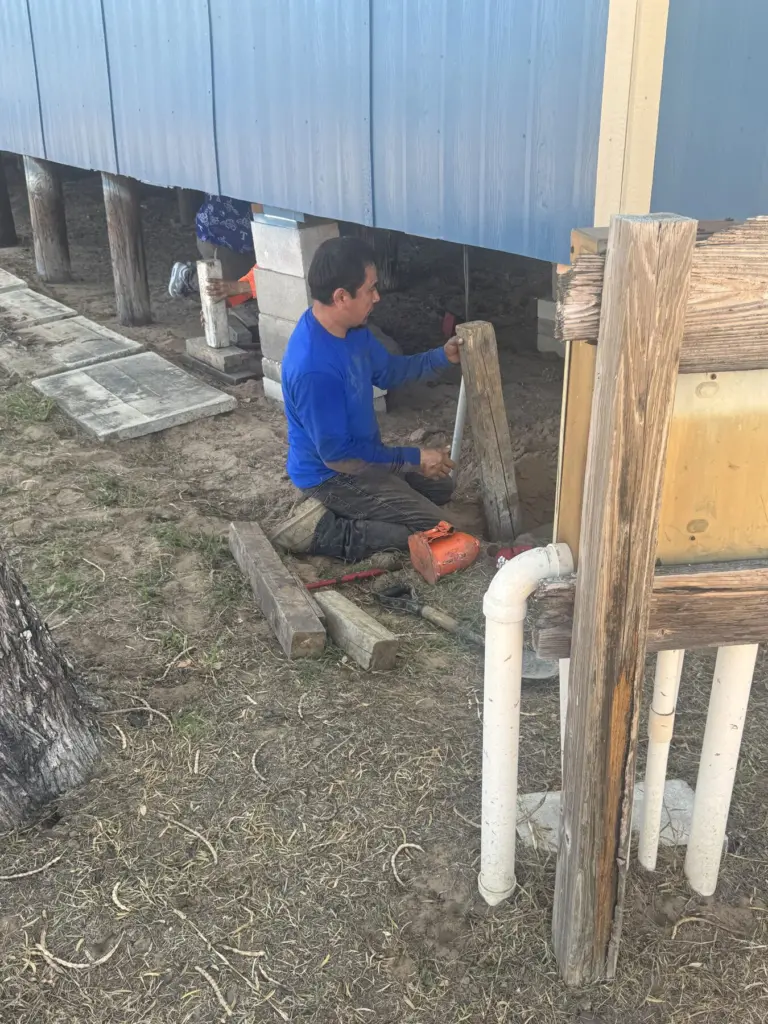
Manufactured Home Foundation Repair
Re-leveling and new piers for manufactured homes, which many companies won’t touch.
More services: Foundation Repair Foundation Leveling Foundation Crack Repair Drainage Solutions Foundation Inspection
Across the city
What We See in Different Parts of San Antonio
The same city, very different ground. Here is what usually goes wrong in each part of town, and how we fix it.
-
North of Loop 1604
Stone Oak, Encino Park, Sonterra and the Hill Country edge
Limestone sits close to the surface, so many lots were cut into the hillside and built up with fill dirt to make a flat pad. The fill side settles over time while the rock side stays put, and the house tips toward the fill.
How we fix it: Piers under the fill side, pressed down to the rock. Because rock is close, the piers are often shorter here.
-
Inside Loop 410
Monte Vista, Tobin Hill, Beacon Hill, Jefferson and nearby older neighborhoods
Lots of homes here were built between the 1920s and 1950s on pier and beam foundations. Wood posts set on blocks rot, sink into the clay, or get knocked out of line, and the floors sag.
How we fix it: Rotten posts out, new poured concrete piers in, and the beams shimmed back to level.
-
East and Southeast side
Dignowity Hill, Denver Heights and the neighborhoods out toward Loop 410
Deep, dark clay that swells and shrinks more than almost anywhere in the city. Older slab and pier and beam homes here can move a lot between a dry summer and a wet spring.
How we fix it: Piers pressed through the clay to bedrock, which can mean going deeper here than up north.
-
Northeast side
Camelot, Wilshire Village and the neighborhoods off I-35 and Loop 410
Mostly slab homes from the 1960s and 1970s on clay. Many still have their original cast iron drain lines, and a leak under the slab can make one room drop.
How we fix it: Fix the leak first, then pier the area that settled and bring it back up.
-
South side
Harlandale and the older neighborhoods south of downtown
A mix of older pier and beam homes and slabs on clay. Settled corners, sloping floors, and cracked brick are the usual calls.
How we fix it: Concrete piers under slabs and new concrete piers under pier and beam homes, matched to what each house needs.
-
Far West side
Alamo Ranch, Westover Hills and the newer subdivisions
Newer homes built fast on graded lots. When the dirt under part of the pad wasn’t packed well, that part can settle in the first few years.
How we fix it: Piers under the low side to lift it back up, then the cracks patched once the house is stable.
How a job works
How a San Antonio Foundation Repair Works
-
Free inspection and estimate
Matt measures floor levels across the house, checks the slab or crawl space, and shows you what he finds.
-
A plan you understand
You see where the piers go and why, with an exact written price. No pressure and no deadline.
-
Engineer and permits
A licensed structural engineer certifies the repair, and we pull city permits when they are required.
-
Repair day
Rosie tells you when the crew is coming. Piers go in, pressed to 10,000 psi down to bedrock, and the house is lifted.
-
Patch and clean up
Pier holes are filled and slab openings are patched before we leave.
-
Your warranty
You get your written warranty: lifetime on steel piers, 25 years on concrete piers.
What you can count on
Why Homeowners Choose We Level Homes
-
Engineer certified
Every repair is certified by a licensed structural engineer.
-
Permits pulled
We pull city permits when they are required, so the paperwork is done right.
-
Piers to bedrock
Piers go all the way to bedrock. Steel and concrete piers are driven to 10,000 psi.
-
Pier warranties
Lifetime warranty on steel piers and a 25-year warranty on concrete piers.
-
Manufactured homes
We work on manufactured homes, which many companies won’t.
-
Owners on every job
Matt and Rosie are on site for every job, from the first visit to the last pier.
From our job sites
Recent Work Around San Antonio
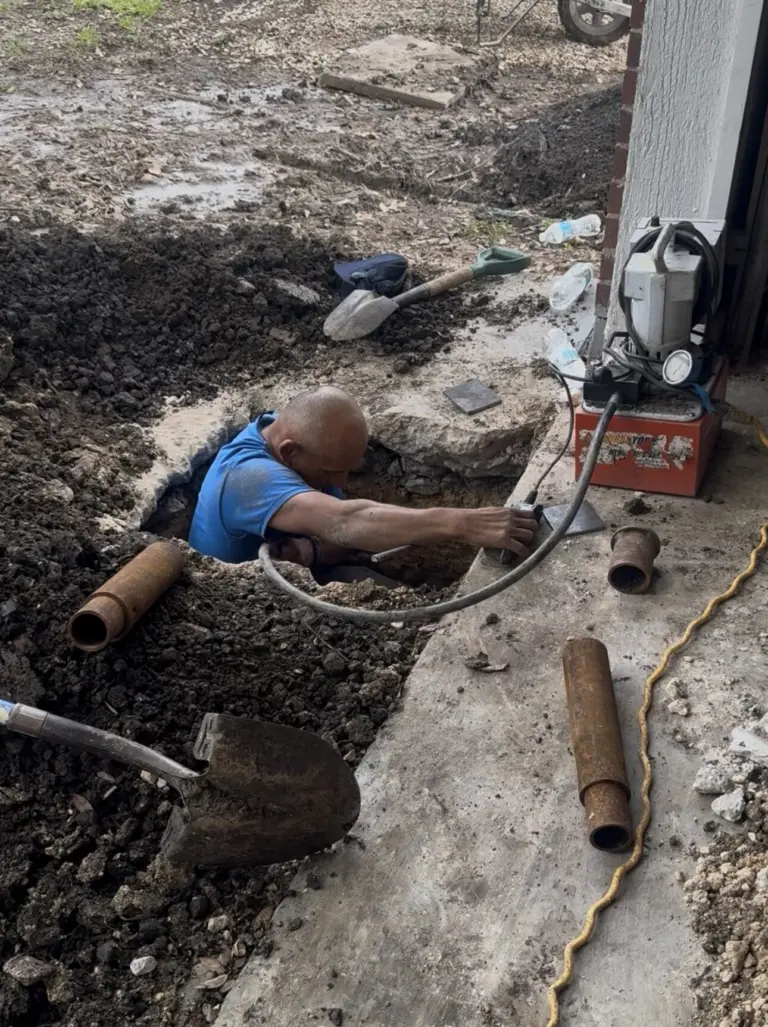
Pressing steel pier sections at the slab edge. 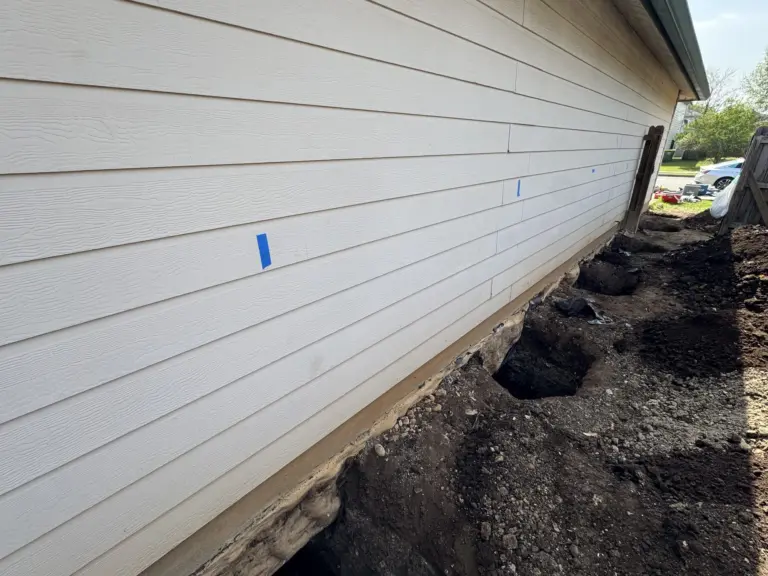
A line of pier holes dug along the foundation. 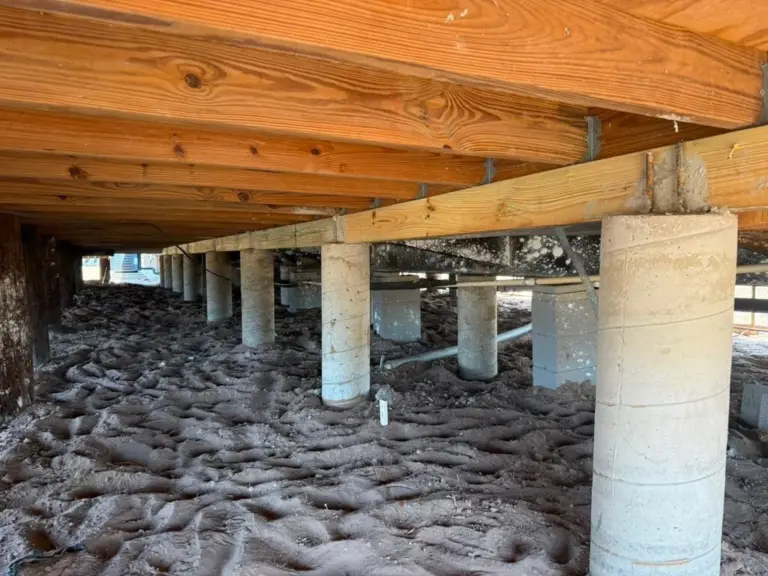
New concrete piers under a pier and beam home. 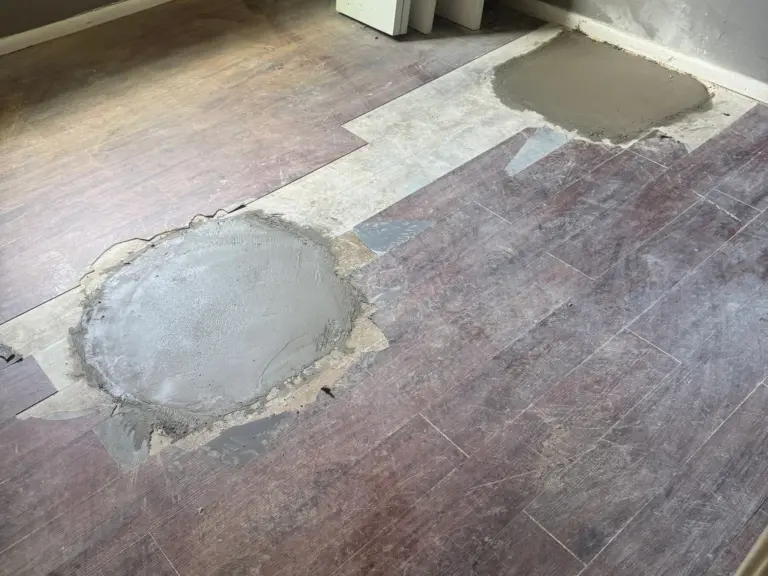
Slab openings patched after the piers went in.
What Does Foundation Repair Cost in San Antonio?
It depends on how many piers your house needs, which type, and how deep the bedrock is under your lot. A house on shallow rock in the north and a house on deep clay in the southeast can need very different repairs. That is why the estimate is free and in person, and you get an exact written price before any work starts.
Free In-Home EstimateSometimes It’s Just Normal Movement
Every house on clay moves a little with the seasons, and thin hairline cracks are common here. If Matt measures your house and it doesn’t need repair, he will tell you so.
Free Foundation InspectionFAQ
San Antonio Foundation Repair Questions
Still have a question?
Call or text and you will talk to an owner, not a call center.
(210) 934-6066Do you cover all of San Antonio?
Yes. We work all over the city, from Stone Oak and the Dominion area down to the South side, and out to the towns around San Antonio.
Why do so many San Antonio homes have foundation problems?
Much of the city sits on expansive clay. It shrinks during hot, dry summers and swells when the rain comes back, and a house on top of it moves with it. Plumbing leaks and big trees near the house make it worse.
How much does foundation repair cost in San Antonio?
It depends on how many piers your home needs, which type, and how deep the bedrock is under your lot. Any number given over the phone is a guess. Our free in-home estimate gives you an exact written price.
My house is in Stone Oak on rock. Can it still settle?
Yes. Many lots up north were cut into the hillside and built up with fill dirt. The fill can settle even when the other side of the house sits on rock. We pier the side that moved down to the rock.
Do you repair old pier and beam homes in the center of town?
Yes. We replace rotten or sunken wood posts with poured concrete piers and shim the beams back to level. It is one of the most common jobs we do in older San Antonio neighborhoods.
Do you pull permits in San Antonio?
Yes, whenever the city requires them. Every repair is also certified by a licensed structural engineer.
Who will come to my house?
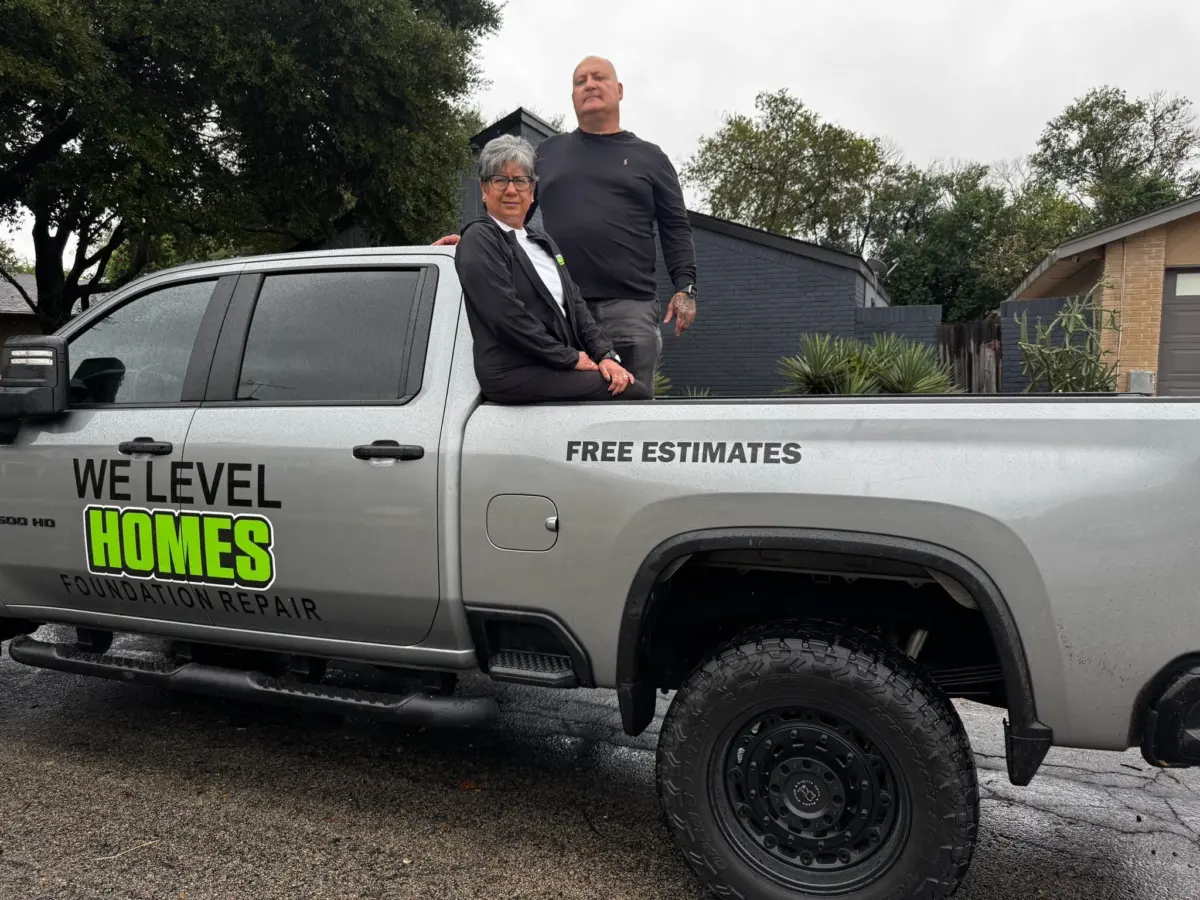
Matt and Rosie, the two owners of We Level Homes, are on every job. Matt has almost 20 years in foundation repair and does the inspection himself.
Around San Antonio
Towns We Serve Around San Antonio
Outside the city, we work in these towns too. Each page covers the foundation problems we see there.
Main city
- San Antonio
North
East and Northeast
South and Southeast
West and Northwest
Know someone who needs us?
Refer a friend or family member. When it becomes a job, we pay you $200.

Ready for a Straight Answer About Your Foundation?
Call or text Matt and Rosie, book a free foundation inspection, or ask for a free in-home estimate. We serve San Antonio and the surrounding areas.
Free in-home estimates Monday through Saturday, as early as 8 AM and as late as 7 PM.