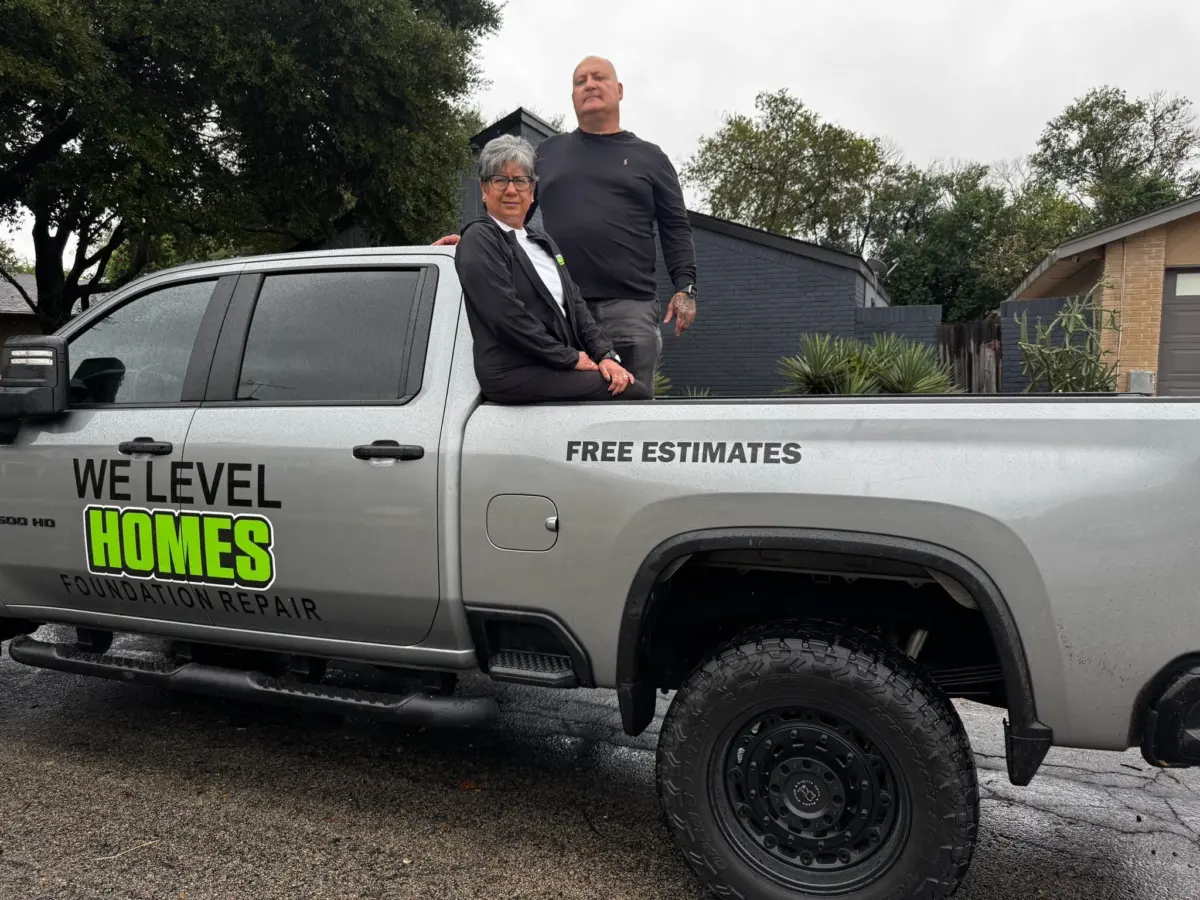
Quick answer
Why Won’t Most Companies Work on Manufactured Homes?
If you have called around and kept hearing no, you are not alone. Here is why the work is different, and why we take it on.
Short answer
Because the work is different. A manufactured home rests on piers under a steel frame, not on a slab, so it takes different tools, a different crew approach, and careful lifting of a lighter, more flexible home. Many companies focus on slab work instead. We work on manufactured homes all the time.
What Makes Manufactured Home Work Specialized
Every type of house takes its own approach. A slab repair presses piers down beside or under a concrete foundation. A pier and beam repair works under wood beams in a crawl space. A manufactured home is different again.
- A steel frame, not a slab. The home sits on long steel I-beams, and the piers push up on that frame. The work is planned around the frame layout.
- A lighter, flexible home. Manufactured homes are built to flex for the trip down the road. Lifting one too fast or unevenly can stress walls, seams, and plumbing.
- Tight working space. The crew often works in low clearance under the floor, after getting past skirting.
- Double-wides and marriage lines. Two halves have to come back to level and back in line with each other.
- Parks and approvals. Working in a park can mean extra coordination with the office.
None of this makes the work impossible. It just means a company has to set itself up for it, and many choose to focus on slab and pier and beam homes.
Many Companies Won’t. We Do.
We work on manufactured homes all the time, single-wide and double-wide, in parks and on private land. Our repair is new piers under the frame and the home brought back to level. It gets the same free inspection, the same exact written price, and the same licensed structural engineer certification as every other job we do.
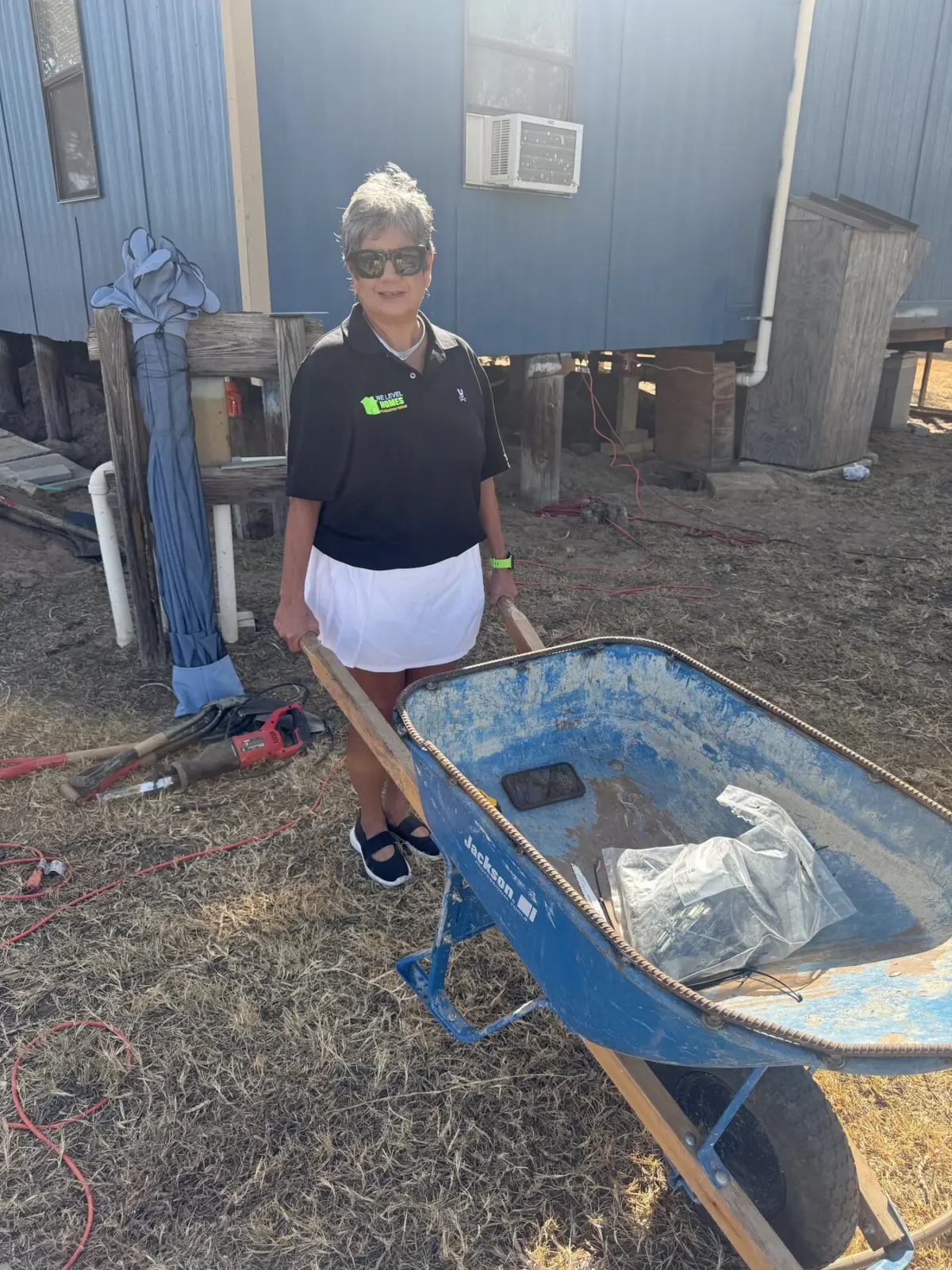
Matt and Rosie are on every job. Matt has almost 20 years in foundation repair and goes under the home himself at the inspection.
Why It Matters to You
When fewer companies take the work, owners can wait longer to get help, and small problems can grow while they search. A home that has only started to drop may need just a few new piers. One left for years can need many more. If you have been told no elsewhere, call or text (210) 934-6066. Matt will come out, go under the home, and give you a straight answer. See signs your manufactured home is out of level.
What to Ask Any Company That Will Do the Work
- Will someone go under the home before giving a price?
- What will you do: shim existing piers, or set new piers under the frame?
- How do you handle the marriage line on a double-wide?
- Is the repair certified by a licensed structural engineer?
- Who pulls the permit if one is required?
- What is and isn’t included, like skirting or tie-downs?
Our guide to comparing foundation repair estimates can help you line bids up side by side.
What We Leave to Others
Being clear about our scope helps you plan. We don’t install tie-downs or anchors, pour new pads, convert homes to a permanent foundation, install skirting, or repair floor decking. If Matt sees one of those needs while he is under your home, he will tell you so you can bring in the right contractor. See what we do on manufactured homes.
Related questions
Is manufactured home leveling riskier than other work?
It takes care, mainly because the home is lighter and more flexible. The crew lifts in small steps and measures along the way.
Do you charge more because it’s a manufactured home?
The price is based on the work your home needs, like how many piers and how far it dropped. The free estimate gives you an exact written price.
Will you work on my home if it is old?
Yes. Older homes often have dry-stacked block piers that have shifted. Matt looks at what is there and tells you what it needs.
Do you work on modular homes?
Ask us. Modular homes are often built on site-built foundations, so the repair can look more like a slab or pier and beam job. Matt will look and tell you.
Written by Matthew Zeman, co-owner of We Level Homes, with almost 20 years in foundation repair. Last updated November 18, 2026.