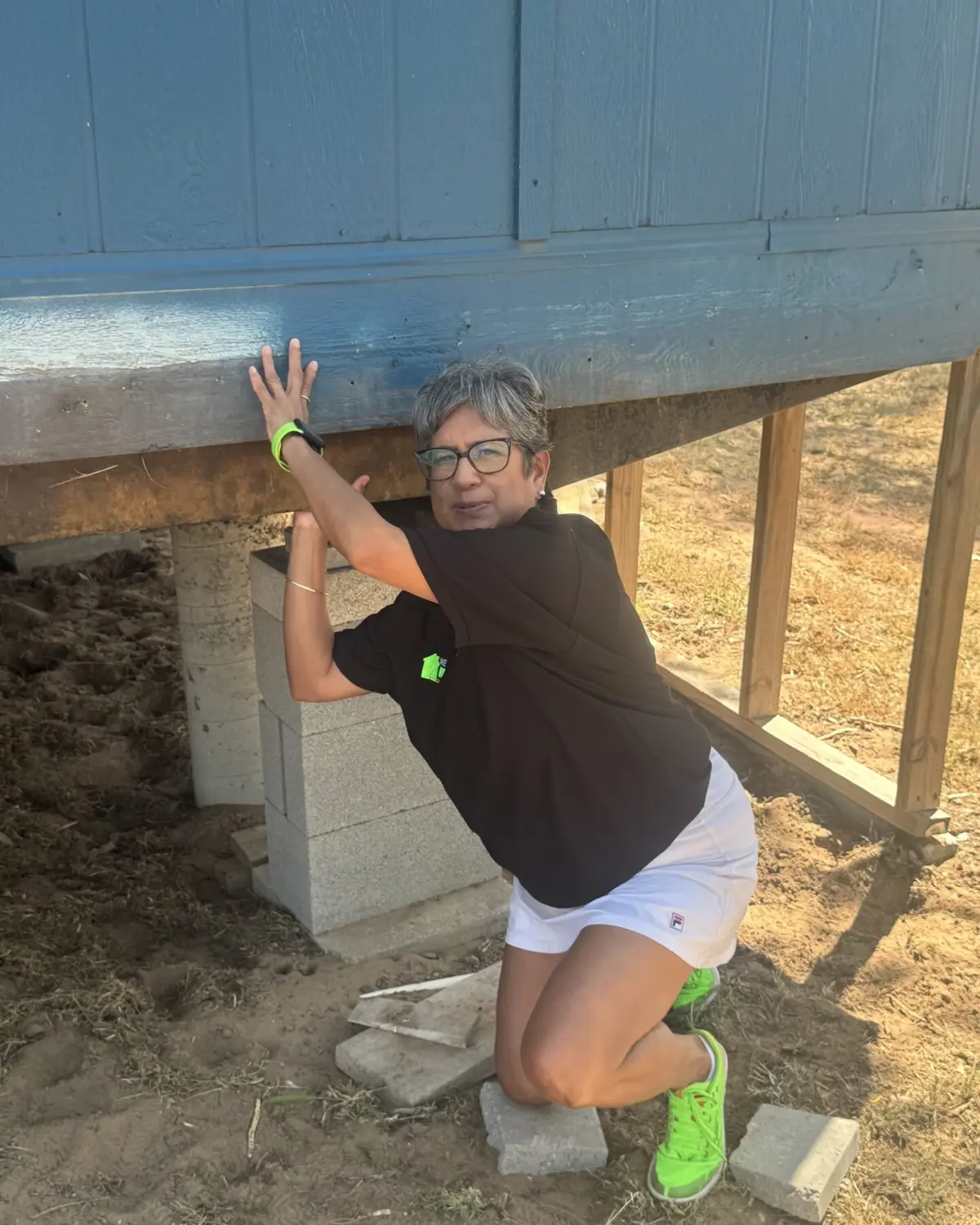
Foundation guide
“Level” vs. “Stable”: What a Good Leveling Job Actually Promises
People call asking to get the house level. What they usually want is a house that stops moving and works right again. Those are related, but they are not the same promise.
“Level” is the word everyone uses. It is in the name of the job and in our company name. But when Matt sits down with a homeowner, the conversation is usually about two separate things: how close to level the house can get, and whether it will stay there.
Getting those two ideas straight before the job starts is the surest way to end up happy with the result. This guide explains the difference, what a good leveling job should promise, and what no honest company should promise.
Want to know what is going on under your house?
Matt will measure it for free and show you what he finds. No pressure, no phone guesses.
Two Different Words
Level describes where the floor is. After a lift, the low parts of the house are brought back up toward the rest, and the floor is closer to flat than it was.
Stable describes whether the floor stays there. A stable house is sitting on support that doesn’t move with the seasons, so the low parts don’t drop again after the crew leaves.
You can have one without the other. A house can be shimmed or jacked close to level on soil that is still moving, and it will drift back out. A house can also be stable but still a little out of level, because it was never perfectly level to begin with. The goal of a good job is both: closer to level, and stable.
Why “Perfectly Level” Isn’t the Goal
Very few houses are perfectly level, even when they are new. Slabs are poured by hand, framing has small differences, and older homes have had decades to settle in ways that the walls, doors, and finishes have gotten used to.
Pushing a house all the way to a perfectly flat reading can do more harm than good. Sheetrock, tile, plaster, and plumbing that have adjusted to the house where it sits can crack when it is forced too far the other way. That is why lifts aim to bring the house back toward level, carefully, and stop when the house is working the way it should. Our article on how level a house should be goes into more detail.
What “Stable” Means on a We Level Homes Job
Stability comes from what is under the house. On a slab home, that means steel or concrete piers under the parts that moved, pressed down hydraulically to 10,000 psi until they stop on bedrock. The clay that shrinks and swells with San Antonio weather is still there, but the parts of the house on piers are no longer riding on it.
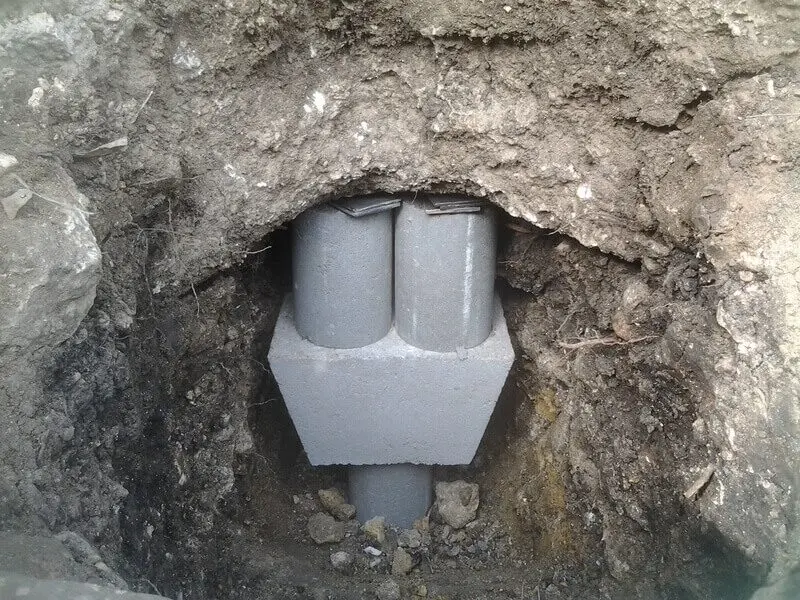
On a pier and beam house, it means taking out rotten or sunken wood posts and putting poured concrete piers in their place, then shimming the beams back to level. On a manufactured home, it means new piers under the frame. Every repair is certified by a licensed structural engineer.
Level vs. Stable, Side by Side
| Level | Stable | |
|---|---|---|
| What it describes | Where the floor sits today | Whether it stays there |
| What creates it | The lift, and shimming on the new supports | Piers that reach solid ground under the parts that moved |
| How you notice it | Doors close, slopes fade, gaps narrow | Cracks stop growing, doors keep working through the seasons |
| What it can’t do | Make an old house perfectly flat | Stop movement in parts of the house that aren’t on piers |
| What carries the warranty | Nothing on its own | Steel piers (lifetime) and concrete piers (25 years) |
A Simple Example
Picture a slab home where the back corner dropped. The back bedroom door rubs, there is a diagonal crack over it, and the brick outside has a stair-step crack. The floor readings show that corner sits noticeably lower than the front of the house.
A job focused only on “level” might jack that corner up and pack something under it. The door works for a while. Then the next dry summer shrinks the clay again, the corner drops, and the crack comes back.
A job focused on level and stable puts piers under that corner, pressed down to bedrock, and lifts the house onto them. The door works again, the crack closes or narrows, and the corner is no longer riding on the clay. The floor may still read a little off from the front of the house, because it was never perfectly flat to begin with. But it stays where it was put.
What a Good Leveling Job Should Promise
- Support under the parts that moved. The plan should show where each pier goes and why.
- Piers that reach solid ground. Ask how deep they go and what they stop on. Ours go to bedrock.
- A lift back toward level. Not a promise of a perfect number, but a clear goal for the low spots.
- Engineer certification. A licensed structural engineer certifies every repair we do, and permits are pulled when the city requires them.
- A written warranty on the piers, with a drawing of where each one went.
- Cleanup. Holes filled and slab openings patched before the crew leaves.
What a Good Leveling Job Shouldn’t Promise
Be careful with any promise that sounds too complete. No one can honestly tell you that:
- Every crack will close up on its own after the lift.
- Every door in the house will work perfectly afterward.
- The house will read perfectly flat from end to end.
- The parts of the house without piers will never move again.
- Finishes like tile and sheetrock won’t need any touch-up.
Many doors do start working again, and many cracks close up or get narrower. But that is a likely result, not a promise. See will cracks close after leveling? and will my doors work again? for what to expect.
Where the Warranty Fits
Our warranty is on the piers: lifetime on steel piers and 25 years on concrete piers, in writing, with a drawing of where each pier went. It covers the support that keeps the house stable. It is not a warranty that the floor will stay at a certain reading, or that cracks and doors will behave a certain way. You can read how it works on our warranty page.
That is an honest line to draw. The pier is the part we control and can stand behind. The soil under parts of the house without piers, a plumbing leak that starts years later, or a big tree planted next to the wall are things no pier warranty can cover.
How to Talk About It at the Estimate
When Matt measures your house at the free inspection, ask him both questions: how close to level can this house get, and what keeps it there? He will show you the low spots, explain where the piers would go, and tell you what he expects the lift to do for your doors and cracks, and what it probably won’t. You will get an exact written price, with no pressure to decide that day.
Related questions
Can a house be stable but not level?
Yes. A house can stop moving and still sit a little out of level, especially an older one. If it isn’t moving and everything works, it may not need anything.
Can a house be level but not stable?
Yes. A house can be jacked or shimmed back to level on soil that is still moving. Without solid support under it, it can drift back out.
Does the warranty cover the leveling itself?
No. The warranty covers the steel and concrete piers. It doesn’t cover the floor staying at a specific reading, cracks, or doors.
Will you tell me if my house doesn’t need leveling?
Yes. If the house is within a normal range and not moving, Matt will tell you so.
Written by Matthew Zeman, co-owner of We Level Homes, with almost 20 years in foundation repair. Last updated November 18, 2026.