Quick answer
Can a House Settle Again After Leveling?
Nobody wants to pay to level a house twice. Here is what a lift on piers holds in place, what it doesn’t, and how the warranty fits in.
Short answer
The parts on piers shouldn’t. Steel and concrete piers pressed to bedrock carry the house past the clay that moves, and they come with a written warranty. Parts of the house without piers still sit on the soil and can move later. Leveling done without solid support underneath is the kind that tends to settle again.
Is House Leveling Permanent?
It depends on what the house is sitting on afterward. A lift by itself is not permanent. If a house is jacked up and set back down on the same soil that let it drop, the clay that shrank and swelled before will keep doing it, and the house can drift back out of level.
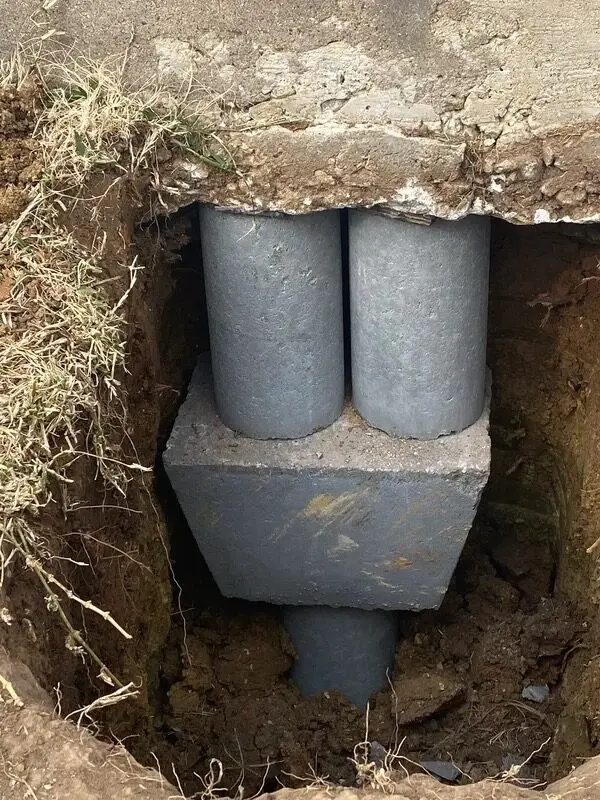
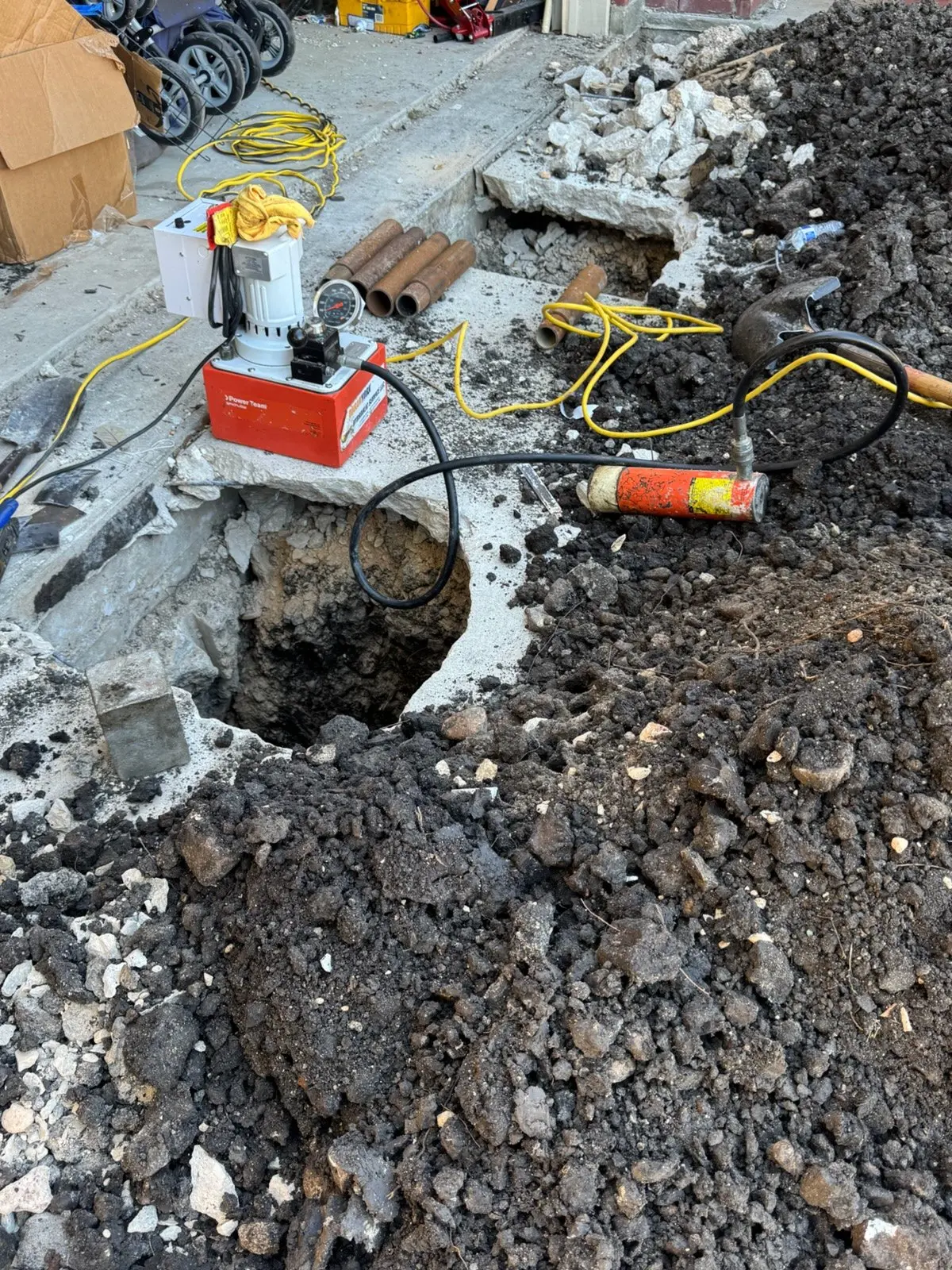
What makes leveling last is the support under it. On a slab home, steel or concrete piers are pressed down hydraulically to 10,000 psi until they stop on bedrock. The part of the house on those piers is no longer riding on the clay. That is as close to permanent as foundation work gets, and it is why the warranty is on the piers. See level vs. stable.
What Can Still Move After Leveling
Honest answers matter here. Even after a good repair:
- Parts of the house without piers still sit on the soil. If the repair covered one side, the other side can move later. See partial vs. whole-house leveling.
- Clay can swell under the slab. Piers keep the house from dropping. Soil that swells upward under an unpiered area can still push on it.
- New water problems like a plumbing leak or a drainage change years later can soften soil near the house.
- Patios, driveways, and walkways aren’t part of the house and keep moving with the soil.
- The house settling onto its piers. A little adjustment in the weeks after a lift is normal as the house settles in.
What the Warranty Covers
Our warranty is on the piers: lifetime on steel piers and 25 years on concrete piers, in writing, with a drawing of where each pier went. It covers the support that holds the repaired part of the house.
It doesn’t cover leveling on its own, crack repair, drainage, pier and beam work, or manufactured home work. It also doesn’t cover parts of the house where no piers were installed. You can read the details on our warranty page. Keep the pier drawing with your house papers. If you ever need more work or sell the house, it shows exactly what was done.
Raised Homes and Re-Leveling
Pier and beam homes work a little differently. When we repair one, rotten or sunken wood posts come out, poured concrete piers go in, and the beams are shimmed back to level. Concrete piers don’t rot the way old wood posts do. Even so, wood framing can shrink or shift over time, and some raised homes need the shims checked and adjusted down the road. Our article on how often to re-level a pier and beam house covers it.
How to Help Your Repair Last
- Fix plumbing leaks quickly, inside and under the house.
- Keep gutters and downspouts carrying water away from the foundation.
- Watch for water pooling against the house after heavy rain.
- Talk to an arborist before planting large trees close to the house.
- Note any new cracks or sticking doors with photos and dates, and call if they keep changing.
If something changes after a repair, call (210) 934-6066. Matt will come out, measure, and tell you whether it is the piered part of the house or something else.
Related questions
Will my house need to be leveled again someday?
The parts on steel or concrete piers shouldn’t need it. Parts without piers can move later, especially on clay.
Does the warranty transfer if I sell?
Ask about that when you get your written warranty. Keep the warranty and pier drawing with your house papers either way.
Is a lifetime warranty better than 25 years?
It runs longer. Steel piers carry the lifetime warranty and usually cost more per pier. Concrete piers carry 25 years and cost less.
What if a new crack shows up after leveling?
A small hairline crack as the house settles onto its piers is common. If cracks keep growing, have it measured.
Written by Matthew Zeman, co-owner of We Level Homes, with almost 20 years in foundation repair. Last updated November 18, 2026.