Quick answer
Will Foundation Repair Crack My Sheetrock or Tile?
It is a fair worry, and we would rather you hear the honest answer before repair day than after. Here is what can happen when a house is lifted.
Short answer
It can. When a house is lifted back toward level, the frame shifts with it, so some cosmetic cracks in sheetrock, paint, or tile can open, while others close up. That is a normal part of bringing a house back. Cosmetic finishes are not part of our pier warranty, so plan for some touch-up afterward.
Why Lifting Can Open or Close Cracks
Over the years, as part of the house dropped, the walls, ceilings, and floors adjusted to the new shape. Sheetrock cracked, tile grout gave way, and doors went out of square. When the house is lifted back toward level, all of that shifts again, the other way.
Some cracks that opened as the house settled will close partly or fully. Others, in places that were holding the house in its settled shape, can open a little. Brittle finishes like tile and plaster are the most likely to show it. Our article on what happens inside the house during a lift goes step by step.
What Is Most Likely to Show It
- Sheetrock and paint, especially at the corners of doors and windows and along ceiling seams.
- Tile and grout, particularly large tiles laid over a slab that has moved.
- Caulk lines around tubs, counters, and trim.
- Doors, which may need small adjustments once the house settles onto its new support. See doors after leveling.
How We Keep It in Check
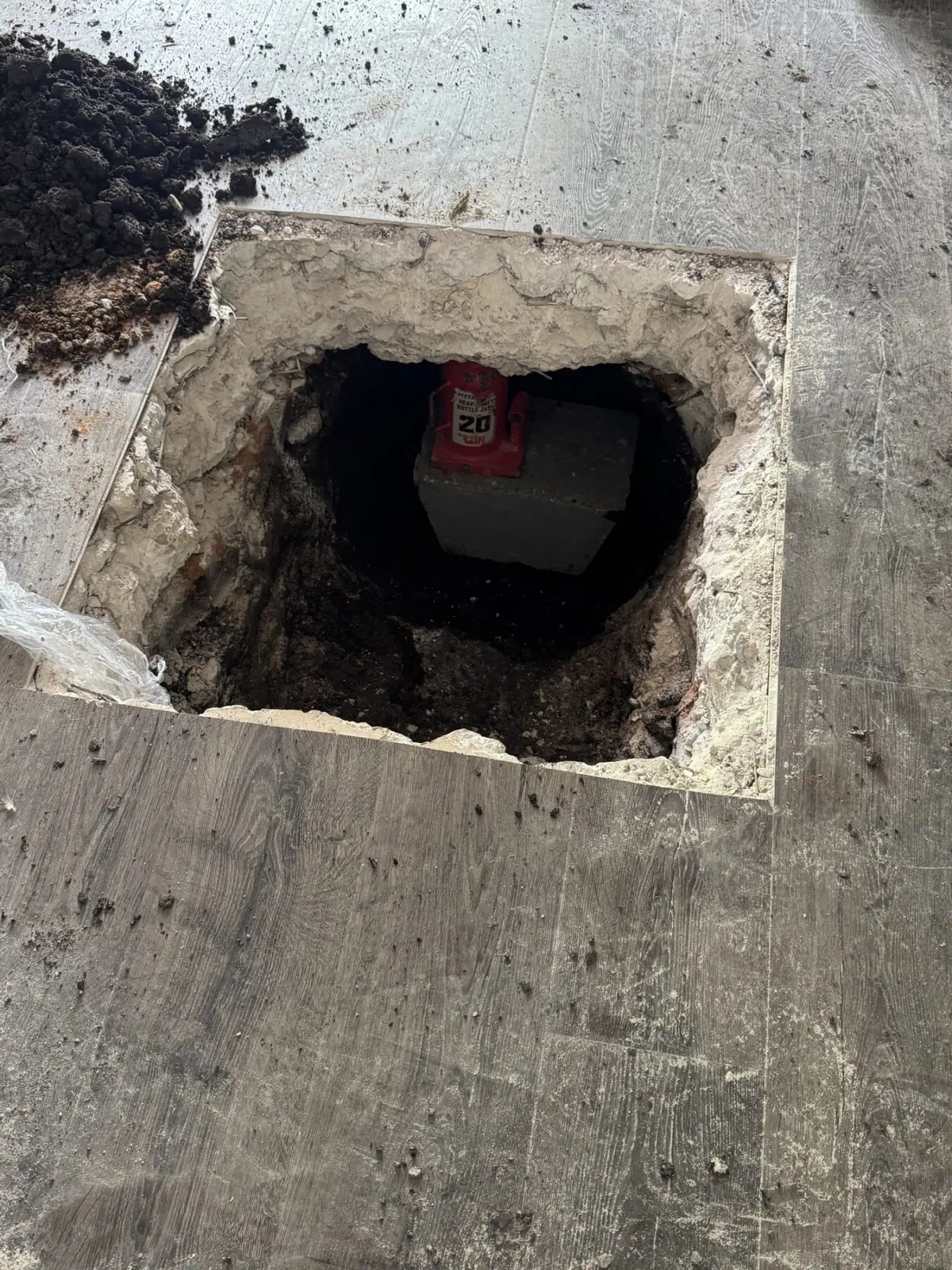
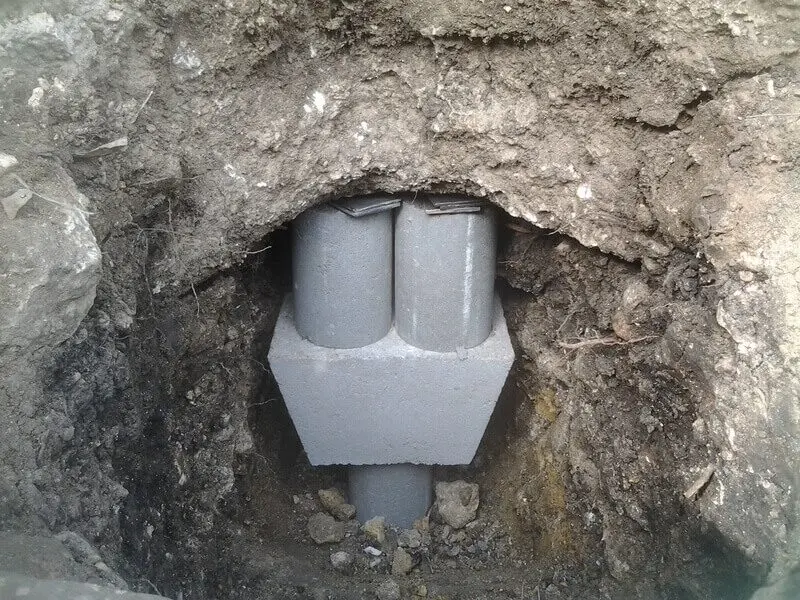
The house is lifted on piers that have already been pressed down to bedrock at 10,000 psi, so it rests on solid support once it is up. Matt and Rosie are on every job and watch the house as it comes up. The goal is to bring it back toward level, not to force it to perfect level if that would do more harm than good. Our guide to level vs. stable explains why.
Before work starts, we walk through the house with you and talk about the finishes most likely to be affected, so nothing comes as a surprise.
If you have something fragile or hard to replace, like a tile backsplash you love or a large mirror on a wall, mention it at the inspection. Knowing about it ahead of time helps everyone plan, even if no one can promise how a finish will react.
Pier and beam and manufactured homes
Raised homes flex differently from slabs. When a pier and beam house is shimmed back to level, or a manufactured home is brought back up on new piers, sheetrock and trim can show the same kind of opening and closing. Older homes with plaster walls can be more sensitive, so Matt will talk with you about how far to bring the house back.
What the Warranty Covers
Our written warranty covers the steel and concrete piers we install: lifetime on steel piers, 25 years on concrete piers. It does not cover cosmetic finishes such as sheetrock, paint, or tile, and it doesn’t cover crack repair or areas where we didn’t set piers. If you notice something new after the repair, call us and we will take a look.
Planning the Touch-Up
- Hold off on painting, patching sheetrock, or replacing tile until after the repair.
- Give the house a little time after the lift before doing finish work.
- Take photos of cracks before repair day, so you can compare after.
- Plan on some patching and paint as part of the overall project.
Foundation cracks in the slab are filled after the house is level and stable, as part of the repair. Our crack repair page explains that step.
Related questions
Will my cracks close after the repair?
Some may close partly or fully, and some may not. It depends on where the crack is and how the house moved.
Can tile be protected during the lift?
There is no way to promise tile won’t crack. Brittle finishes can show movement as the house comes back toward level. Matt will point out the areas to watch.
Should I wait to remodel?
Yes, if you can. It makes sense to finish the foundation repair before new tile, paint, or sheetrock work.
Is a new crack a sign the repair failed?
Not usually. Small cosmetic cracks are common after a lift. If one keeps growing, call us and we will take a look.
Written by Matthew Zeman, co-owner of We Level Homes, with almost 20 years in foundation repair. Last updated November 18, 2026.