Quick answer
Is Foundation Repair Worth It?
It is a big decision, and the answer is not the same for every house. Here is how to think it through, including the times it may not be needed.
Short answer
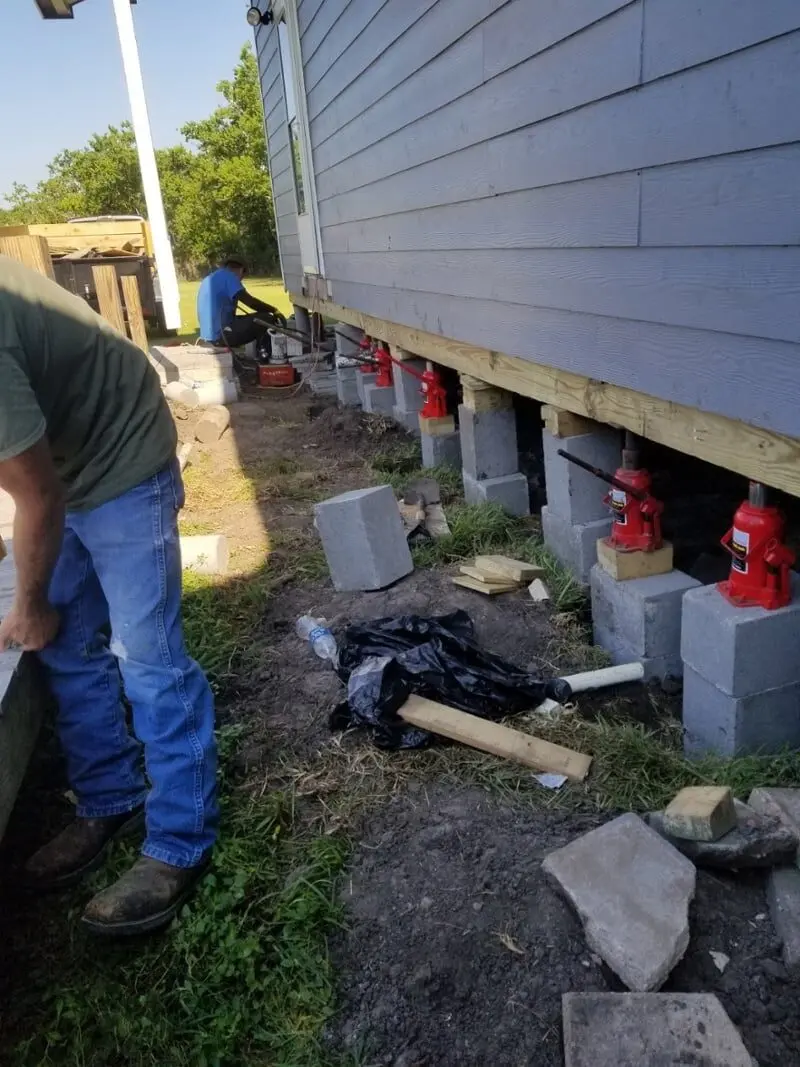
Often, yes, when the house is actually moving. A proper repair puts piers under the parts that dropped, brings the house back toward level, and comes with a written warranty. It may not be worth it if the movement is small and not changing. Measuring the house is how you find out which one you have.
What a Repair Actually Gets You
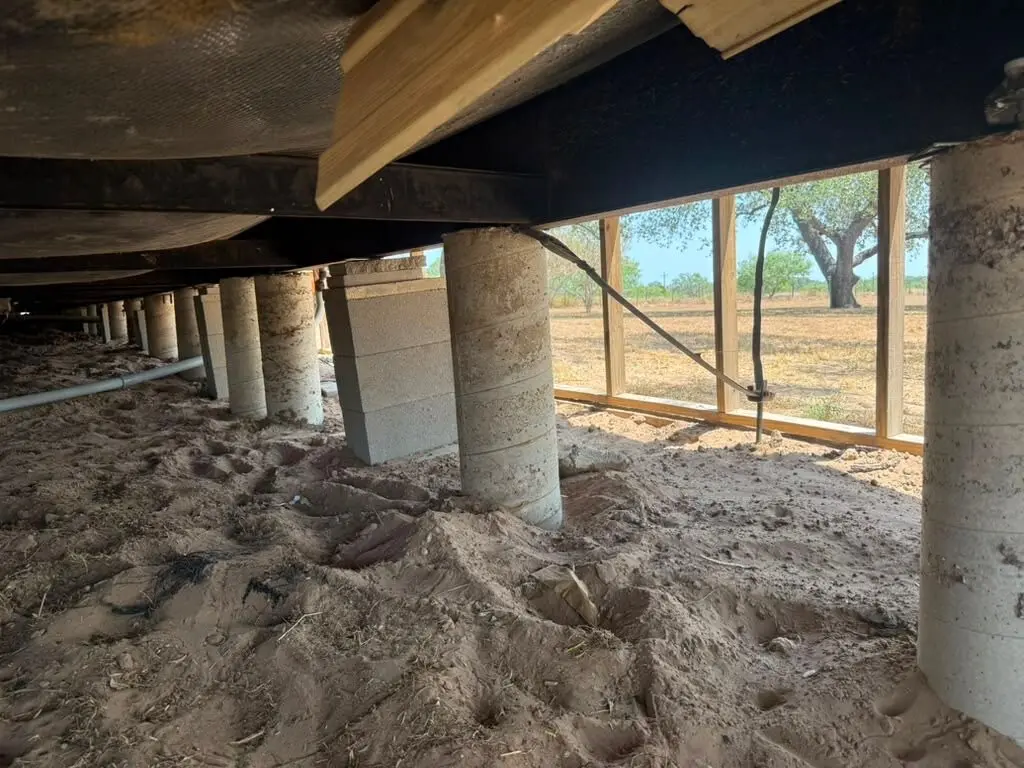
- Support that doesn’t ride the clay. Steel and concrete piers are pressed down to bedrock at 10,000 psi, so the parts of the house that settled now sit on solid ground.
- A house brought back toward level. Doors and windows often work better, and floors feel flatter.
- A written warranty. Lifetime on steel piers, 25 years on concrete piers, with a drawing of where each pier went.
- An engineer’s certification. Every repair is certified by a licensed structural engineer.
- Paperwork for later. If you sell, buyers and their inspectors can see what was done.
When It Is Usually Worth It
- The house is still moving: cracks are growing, doors that worked are now sticking, floors feel more sloped.
- Floor measurements show a real drop in one part of the house.
- You plan to stay in the house for years.
- You plan to sell and want the question answered, with paperwork in hand.
- Movement is starting to affect things like plumbing, door frames, or tile.
When It May Not Be
Not every crack means a repair. A little movement is normal on San Antonio clay, and hairline cracks are common. A repair may not be worth it when:
- The cracks are thin and haven’t changed in months.
- Floor measurements show only small, normal differences.
- The cause is something simpler, like water pooling along one wall, that should be looked at first.
If that is your house, Matt will tell you. Our guide on settling vs. failure covers how to tell the difference.
Questions to Weigh
- How much has the house moved, and is it still moving?
- How long do you plan to live there?
- Would you rather have a lower price or a longer warranty? Our concrete vs. steel comparison helps with that.
- Is there a cause, like a plumbing leak, that needs fixing first?
- What will the repair include, in writing, and what won’t it?
Be clear on what the repair is for. Piers support the house and bring it back toward level. Cosmetic finishes like sheetrock, paint, and tile are not part of the pier warranty, and some cracks may need patching after the lift.
Weighing Concrete and Steel
Part of the worth-it question is which repair. Both concrete and steel piers go all the way to bedrock and are pressed to 10,000 psi, so neither one is the weak option. Concrete piers cost less and carry a 25-year warranty, which suits many homeowners. Steel piers usually cost more per pier and carry a lifetime warranty, which suits people planning to stay a long time. Seeing both prices in writing side by side makes the choice much clearer than talking about it in the abstract.
How to Decide With Real Numbers
The decision gets easier once you know what is going on. At a free inspection, Matt measures floor levels across the house and shows you what moved. If repair makes sense, you get an exact written price, with both pier options if you want to compare. There is no deadline to decide.
Related questions
Does foundation repair last?
Piers pressed to bedrock don’t ride the clay the way the soil does. Steel piers carry a lifetime warranty and concrete piers carry 25 years, in writing.
Can a house settle again after repair?
Parts of the house without piers can still move with the soil. The piers themselves sit on bedrock, not on the clay.
Is it worth repairing a house I am about to sell?
Sometimes. It depends on your timing, budget, and market. Ask your real estate agent, and see our article on leveling before you sell.
What if I just want to know where I stand?
That is what the free inspection is for. You get measurements and an honest answer, with no obligation.
Written by Matthew Zeman, co-owner of We Level Homes, with almost 20 years in foundation repair. Last updated November 18, 2026.