Quick answer
Can Foundation Problems Get Worse If You Wait?
Some foundation movement stays about the same for years, and some keeps going. Here is how to tell which one you have, without guessing and without panic.
Short answer
They can, but not always. Movement that comes from a plumbing leak, poor drainage, or a tree pulling water from the soil often keeps going until the cause is fixed. Small, seasonal movement may stay about the same. Measuring the house, and watching for changes over time, tells you which one you have.
Why Some Movement Keeps Going
Much of San Antonio sits on expansive clay. It shrinks in hot, dry summers and swells when heavy rain comes back. A little seasonal movement is normal. The trouble starts when one part of the house keeps getting pushed or pulled more than the rest. Common reasons:
- A plumbing leak under the slab. The soil under one spot stays wet and soft while the rest dries and shrinks.
- Water pooling against the house. Poor drainage soaks the soil along one wall over and over.
- Trees close to the foundation. Roots can pull a lot of water out of the clay in dry months. Our guide to trees and foundations goes into this.
- Old supports giving out. Under a pier and beam home, wood posts can rot or sink a little more each year.
When a cause like that is still active, the movement often keeps going until the cause is dealt with.
Why Some Movement Stays Put
Not every crack is the start of a bigger problem. New homes settle a little in their first years. Thin hairline cracks in a slab or in sheetrock are common in San Antonio and may never change. Our guide on settling vs. failure explains how to tell normal settling from movement that needs repair.
Some movement even goes back and forth with the seasons. A crack may open a little in a long dry summer and close again after the fall rains. That pattern is worth noting, but it is different from a crack that only ever gets bigger.
Pier and beam homes
Under a raised home, the question is often the wood. Posts that are dry and sitting on solid footings can hold for a long time. Posts that are rotting, or sitting on blocks that sank, usually keep getting worse as the years go by. Looking in the crawl space tells you which you have.
Signs Your Foundation Is Changing
The useful question is not “is there a crack?” but “is it changing?” These are the signs worth tracking:
- Cracks that get wider or longer over a few months.
- Doors or windows that start sticking when they used to close fine.
- New gaps around door frames, windows, or where brick meets trim.
- Floors that feel more sloped than they used to.
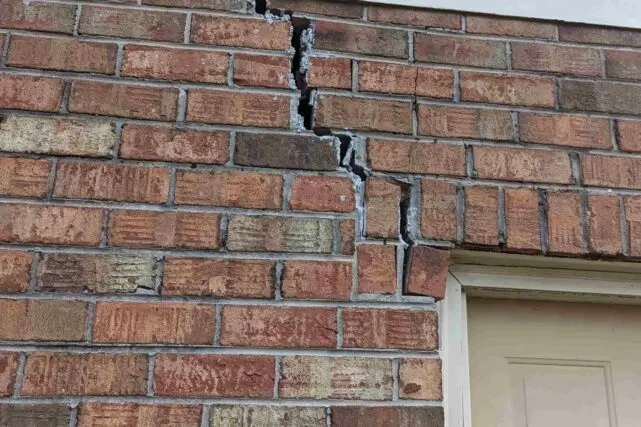
- Stair-step cracks in brick that weren’t there before.
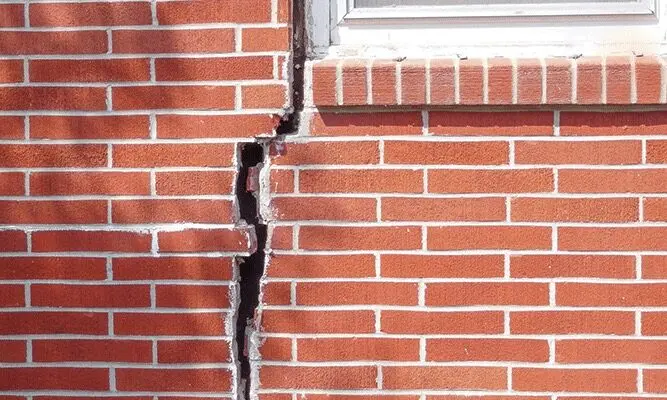
A simple habit helps: mark the ends of a crack with a pencil and the date, and take a photo. Check it again after a dry spell and after a heavy rain. If it hasn’t moved, that is good to know too.
What Waiting Can Mean for the Repair
If the house is still moving, waiting usually doesn’t make the repair simpler. More of the house can drop, more doors can start sticking, and more cracks can show up inside. That can mean more piers and more patching later than you would need now.
That doesn’t mean you have to decide today. It means it is worth knowing where you stand. A measurement now gives you a baseline, so you can compare later and decide on your own schedule.
How to Find Out
At a free foundation inspection, Matt measures floor levels across the house and shows you which parts moved and by how much. If the house needs repair, you get an exact written price with no deadline to decide. If it doesn’t, he will tell you that.
Related questions
Does foundation movement stop on its own?
Sometimes. Seasonal movement can go back and forth without getting worse. Movement fed by a leak, poor drainage, or failing supports usually keeps going until the cause is fixed.
Is it safe to wait through one more summer?
That depends on what is causing the movement. Measuring the house now gives you a baseline, so you can see whether it changes.
Will fixing a plumbing leak stop the movement?
It can remove one cause. If part of the house has already dropped, it may still need piers to bring it back toward level.
Should I fill cracks while I wait?
You can seal a crack to keep water and bugs out, but foundation cracks should be filled after the house is level and stable.
Written by Matthew Zeman, co-owner of We Level Homes, with almost 20 years in foundation repair. Last updated November 18, 2026.